Beef Stew
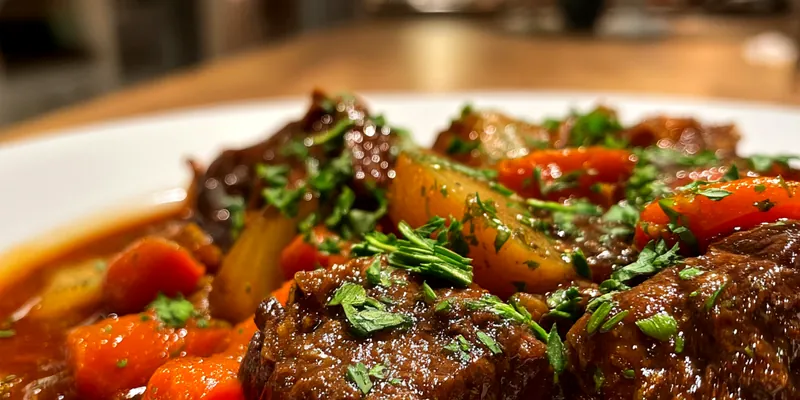
This beef stew is a classic comfort dish, perfect for any occasion. It combines tender beef with hearty vegetables and rich flavors. Enjoy it alone or with crusty bread.

Why This Works
This beef stew is packed with flavor from slow-cooked beef and fresh vegetables. The combination of spices creates a rich, savory broth. It's easy to prepare and perfect for a cozy dinner.
The recipe allows for variations based on personal preferences. You can add your favorite vegetables or spices. Plus, it's a great make-ahead dish that tastes even better the next day.
💡 Professional Tip
For a thicker stew, add a slurry of cornstarch and water. Let it simmer for a few extra minutes to achieve the desired consistency.
Frequently Asked Questions
Yes, this stew can be made ahead of time. Just reheat gently before serving.
You can substitute beef with lamb or chicken. Vegetables can also be varied based on your preference.
The stew is done when the beef is tender and the vegetables are cooked through. A fork should easily pierce the meat.
Yes, beef stew freezes well. Store in an airtight container for up to three months.
Serve with crusty bread or over mashed potatoes for a complete meal. A side salad complements the dish nicely.
Leftovers can be stored in the fridge for up to four days. Reheat thoroughly before eating.
Add some red pepper flakes or a dash of hot sauce. Adjust to your heat preference.
Reheat on the stovetop over low heat, stirring occasionally. Alternatively, microwave in short intervals, stirring in between.
Recipe Troubleshooting Guide
Too Dry
Problem: The stew may become dry if overcooked.
Solution: Add more broth and let it simmer for a few minutes.
Not Crispy
Problem: Vegetables can become mushy if cooked too long.
Solution: Add vegetables later in the cooking process for better texture.
Overcooked
Problem: Beef can become tough if overcooked.
Prevention: Cook just until tender, checking often.
Undercooked
Problem: Beef may remain tough if not cooked long enough.
Recovery: Simmer longer, checking for tenderness.
Burnt
Problem: Burnt stew may result from cooking on high heat.
Prevention: Always cook on low to medium heat and stir regularly.
Flavor
Too Sweet: If too sweet, add a splash of vinegar.
Too Salty: If too salty, add more vegetables or potatoes.
Bland: Add more spices or herbs to enhance flavor.
Ingredients
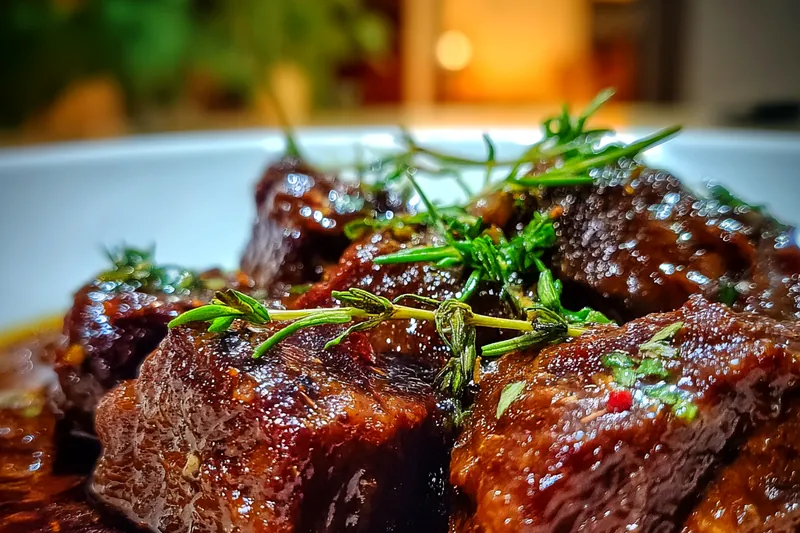
Use quality beef for the best flavor. Fresh vegetables add nutrition and texture. Don't forget the herbs for that aromatic touch.
Adjust ingredient amounts based on your serving size needs. Feel free to experiment with seasonal vegetables. This recipe is versatile and forgiving.
Essential Ingredient Notes
- Main: Beef chuck is ideal for stews because it becomes tender when slow-cooked. For best results, choose grass-fed beef.
- Second: Root vegetables like carrots and potatoes provide substance. They absorb flavors beautifully while cooking.
- Third: Herbs and spices elevate the dish. Fresh thyme acts as a fragrant addition.
Cooking
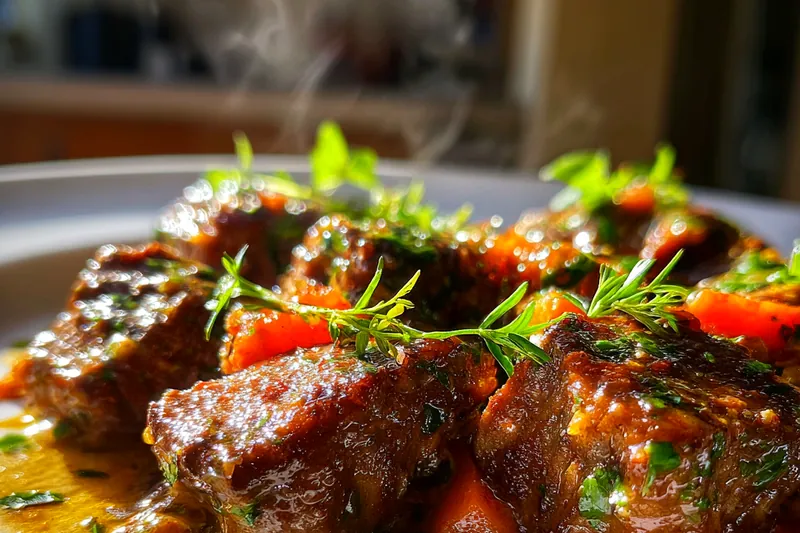
Start by browning the beef for maximum flavor. This step is crucial for developing the stew's base. Then, add in the vegetables and broth.
Allow the stew to simmer gently, ensuring flavors meld together. The longer it cooks, the more tender the beef becomes. Keep it covered to retain moisture.
Key Technique
Searing the meat creates depth in flavor. Deglaze the pot with broth after browning, scraping up any bits for added richness.
Beef Stew
📋 Ingredients
Main
- 1 cup tomato pasteFor richness
Vegetables
- 2 lbs beef chuckCut into cubes
- 3 cups beef brothLow sodium
Instructions
Brown the Beef
In a large pot, brown the beef cubes over medium heat.
Add Vegetables
Stir in onions, garlic, carrots, and potatoes.
Recipe Notes & Tips
Storage
Store leftovers in an airtight container. Refrigerate for up to four days or freeze for three months.
Serving
Serve hot in bowls, garnished with fresh parsley. Pair with crusty bread for dipping.
Variations
Experiment with different vegetables like parsnips or peas. Adding red wine can enhance the flavor profile.