Classic French Toast Delight
Classic French Toast Delight is a beloved breakfast dish that has captured the hearts and taste buds of many across the world. Originating from France, this dish has evolved into a staple in American homes, celebrated for its simple yet delectable flavors. Made from thick slices of bread soaked in a rich custard mixture and then cooked until golden, its appeal lies in the perfect balance of sweetness and warmth. Ideal for lazy Sunday mornings or special occasions, this dish can be easily customized with various toppings, making it a versatile choice for any breakfast table. What sets this recipe apart is the combination of spices that elevate the classic flavor, ensuring a delightful experience with every bite.

Why This Classic French Toast Delight Works
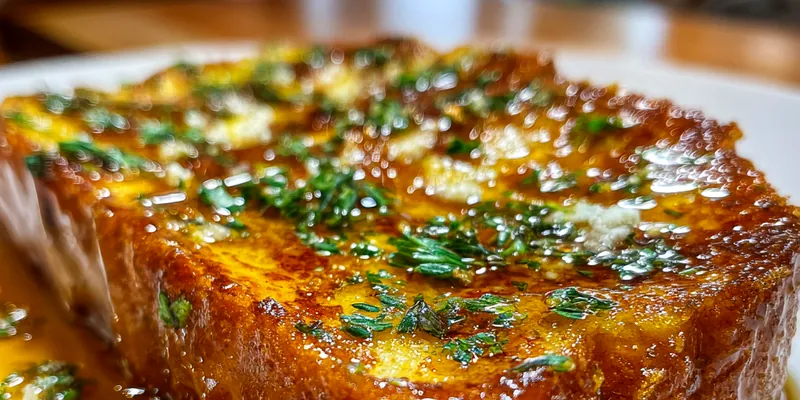
The technique behind making the perfect French toast lies in the custard mixture. Combining eggs with milk creates a rich batter that clings to the bread, while the addition of spices like cinnamon and nutmeg adds depth of flavor. Soaking the bread allows for maximum flavor absorption, resulting in a moist interior and a beautifully crisp exterior. The choice of bread is also crucial; thicker slices, such as brioche or thick-cut white bread, hold the mixture better and yield a more satisfying texture.
What makes this recipe special is its versatility. You can easily adjust the spices or add ingredients like orange zest for a citrusy twist. The use of fresh, quality ingredients not only enhances the flavor but also provides a more nutritious breakfast option. Serving the French toast with fresh berries and a drizzle of maple syrup adds a bright contrast to the dish, making it visually appealing and delicious. Sharing this dish with family and friends creates a warm atmosphere, encouraging moments of joy and connection around the breakfast table.
💡 Professional Tip
For the best French toast, always use day-old bread. Fresh bread can become too soggy when soaked in the custard mixture. If you're looking for extra flavor, consider adding a splash of orange juice or a hint of almond extract to the batter. Cooking on medium heat ensures the bread cooks evenly without burning, allowing for a perfectly golden crust. Finally, don't rush the resting time after soaking; it allows for better absorption and an even texture throughout.
Frequently Asked Questions
Yes, you can prepare the custard mixture the night before and store it in the refrigerator. Simply soak the bread slices in the mixture when you’re ready to cook. However, it’s best to cook the French toast fresh for optimal texture and flavor. If you have leftovers, they can be stored and reheated, but freshly made will always be superior in taste.
If you need to make substitutions, you can use almond milk or oat milk instead of whole milk for a dairy-free option. For a gluten-free version, opt for gluten-free bread, which works well with this recipe. You can also swap out sugar for maple syrup or honey if you prefer a natural sweetener. Spice variations like cardamom or pumpkin spice can add a unique twist to the flavor profile.
The French toast is done when it is golden brown on both sides and feels firm to the touch. You can also check the internal texture; it should be soft and pillowy without being soggy. If you're unsure, a quick cut into the center can confirm the doneness. Remember, cooking times can vary based on the heat level and thickness of the bread.
Yes, French toast can be frozen! Allow the cooked slices to cool completely, then place them in an airtight container or freezer bag. They can be stored in the freezer for up to 2 months. When ready to enjoy, reheat in the toaster or oven until heated through for the best texture.
This dish pairs wonderfully with crispy bacon or sausage for a savory contrast. Fresh fruit like berries, bananas, or sliced peaches also complements the sweetness of the French toast. You can add whipped cream or yogurt for an indulgent touch. A sprinkle of chopped nuts or a drizzle of chocolate sauce can elevate the dish further, making it even more delightful.
Cooked French toast should be stored in the refrigerator if not consumed immediately. It can last up to 3 days when placed in an airtight container. To maintain freshness, reheat gently in the microwave or skillet. Avoid leaving it at room temperature for extended periods to prevent spoilage.
You can easily adjust the spice level by adding more or less cinnamon and nutmeg according to your taste preference. For a spicier kick, consider incorporating a dash of cayenne pepper or ginger. Experimenting with different spices can lead to exciting flavor combinations, making the dish personal to your liking.
The best reheating method is to use a toaster or oven, as it helps retain the crispness of the bread. If using a microwave, heat in short intervals to avoid making the French toast soggy. You can also reheat in a skillet over low heat, adding a little butter to revive the crispiness. Always check the temperature to ensure it's heated through before serving.
Recipe Troubleshooting Guide
Too Dry
Problem: If your French toast turns out too dry, it may be because it was soaked for too short a time or cooked too long. This can result in a lack of moisture inside the bread.
Solution: To remedy this, ensure you soak the bread slices adequately in the custard mixture before cooking. Additionally, check your cooking time, as overcooking can lead to dryness. A good rule of thumb is to cook until just golden and not too long after that.
Not Crispy
Problem: If your French toast isn’t crispy, it could be due to cooking on low heat or overcrowding the pan. This prevents the bread from getting that nice golden crust.
Solution: Make sure to cook on medium to medium-high heat and avoid placing too many slices in the pan at once. Allow enough space for each slice to fry evenly without steaming, which can inhibit crispiness.
Overcooked
Problem: Overcooked French toast usually appears dark brown and can taste burnt. The texture becomes tough and chewy, losing its desirable softness.
Prevention: To avoid overcooking, keep a close eye on the cooking time and adjust the heat as necessary. If you find it’s cooking too fast, lower the heat to allow for a more controlled cooking process.
Undercooked
Problem: Undercooked French toast can feel soggy inside and may not have developed the right flavor. It may be pale and not appealing.
Recovery: To prevent this, ensure you soak the bread adequately and give it enough time on the skillet. If you're unsure, cut one piece in half to check its consistency before removing all from the heat.
Burnt
Problem: Burnt French toast is often a result of cooking at too high a temperature or leaving it on the heat for too long. This can create an unpleasant taste and texture.
Prevention: To fix this, always start with medium heat and adjust as necessary. If you notice that the toast is browning too quickly, reduce the heat and monitor closely.
Flavor Balance
Too Sweet: If your French toast is too sweet, it might be due to using too much sugar in the batter or syrup. This imbalance can overpower the dish.
Too Salty: A salty taste can come from too much salt in the mixture; it’s best to measure carefully to maintain balance.
Bland: If the flavor is bland, consider adding more spices like cinnamon or nutmeg, or enhancing the syrup with a splash of vanilla or other flavorings.
Key Ingredients
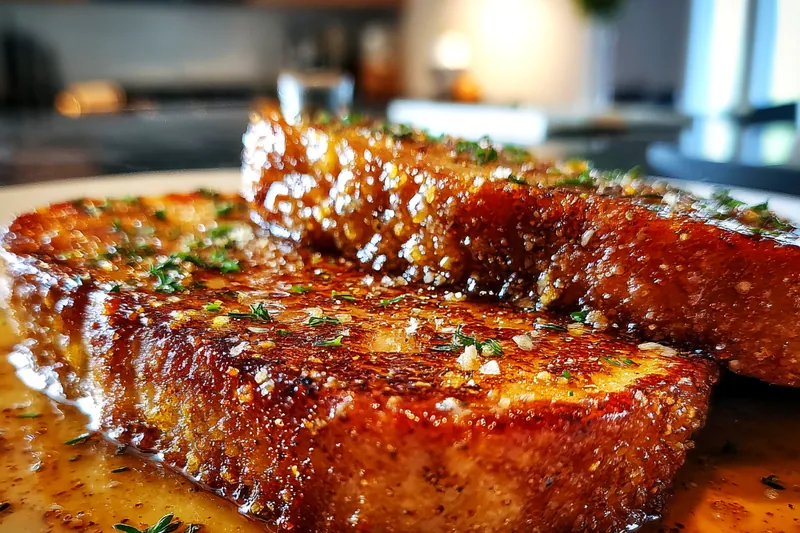
The main ingredients for Classic French Toast Delight include thick slices of bread, eggs, and milk. Bread, particularly brioche or French bread, provides a rich base that can soak up the custard mixture beautifully. Eggs act as the binding agent, giving the French toast its fluffy texture, while milk adds creaminess. Together, these ingredients create a satisfying breakfast that is both hearty and indulgent. The choice of bread can significantly influence the final outcome, so opting for high-quality bread is essential.
In addition to the main ingredients, spices play a crucial role in enhancing flavor. Cinnamon and nutmeg are traditional choices that impart warmth and depth. Vanilla extract adds a lovely aroma and sweetness, while sugar balances the spices. A touch of salt brings out the flavors, ensuring a well-rounded dish. These seasonings elevate the French toast from ordinary to extraordinary, making every bite a delightful experience.
Essential Ingredient Notes
- Main Ingredient: Thick bread is essential for the best French toast. It should be sturdy enough to hold up against the custard mixture without falling apart. Day-old bread is perfect, as it has dried out slightly, allowing it to absorb more moisture without becoming mushy. Look for options like brioche or challah, which offer a rich flavor and texture.
- Second Key Ingredient: Eggs not only provide structure but also contribute to the custard-like texture that defines French toast. For best results, use large eggs and ensure they are well-beaten to create a uniform mixture. The freshness of the eggs can affect the flavor, so choose organic or farm-fresh eggs if possible. This will enhance the overall taste and quality of the dish.
- Essential Seasoning: Cinnamon is a classic spice that adds warmth and sweetness to French toast. It pairs beautifully with the rich flavors of the eggs and bread. When measuring, be careful not to overdo it; a teaspoon is generally sufficient for a balanced flavor. Experiment with adding nutmeg or cardamom for a unique twist on this traditional recipe.
Cooking Process
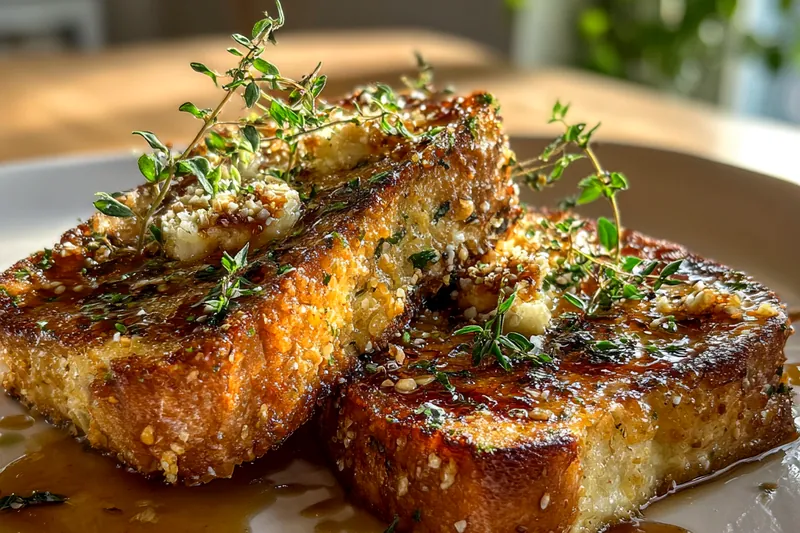
The cooking process for Classic French Toast Delight begins with preparing the batter. Combine the eggs, milk, and spices in a bowl, whisking until fully incorporated. The next step involves soaking each slice of bread in the custard mixture, allowing it to absorb the flavors while ensuring it doesn't become too soggy. This is followed by heating the skillet and adding butter, which helps achieve that desirable crispy surface.
Once the bread is cooked to a golden brown on both sides, it is crucial to keep the slices warm while you finish the remaining batches. This can be done by placing them on a baking sheet in a low oven. Finally, serving the French toast with maple syrup, fresh berries, and a dusting of powdered sugar not only enhances the presentation but also adds layers of flavor that make every bite a joy. Enjoying this dish fresh off the heat ensures the best texture and taste.
Key Technique
The key technique for perfect French toast lies in the soaking process. Slicing the bread thick allows it to absorb the custard without collapsing. The right balance of egg and milk creates a rich batter that clings to the bread. Incorporating spices into the mixture enhances flavor, ensuring each piece is full of warmth and sweetness. Finally, cooking on medium heat allows for a crisp exterior while maintaining a soft, custardy center, achieving the ideal French toast experience.
Classic French Toast Delight
📋 Ingredients
Main Ingredients
- 1/4 cup maple syrupfor serving
- 1 tablespoon powdered sugarfor dusting
Sauce/Seasoning
- 8 slices of thick breadFrench or brioche recommended
- 4 large eggslarge, preferably organic
- 1 cup whole milkfor creaminess
- 1 teaspoon vanilla extractfor flavor
- 1 teaspoon ground cinnamonfor warmth
- 1/4 teaspoon nutmegfor depth
- 2 tablespoons sugarto balance flavor
- 1/4 teaspoon saltto enhance flavors
- 4 tablespoons unsalted butterfor cooking
- Fresh berriesfor garnish
Instructions
Prepare the Batter
In a large mixing bowl, whisk together the eggs, milk, vanilla extract, sugar, cinnamon, nutmeg, and salt until well combined. This mixture will create a rich and flavorful batter that absorbs into the bread, making it deliciously custardy.
Soak the Bread
Take each slice of bread and dip it into the egg mixture, ensuring both sides are well-coated. Allow the bread to soak for a few seconds to absorb the mixture, but do not let it become soggy.
Heat the Pan
In a large skillet or griddle, melt 1 tablespoon of butter over medium heat. Make sure the butter is fully melted and bubbling before adding the soaked bread to ensure a nice golden-brown color.
Cook the French Toast
Place the soaked bread slices in the skillet, cooking about 3-4 minutes on each side until golden brown. Avoid overcrowding the pan to allow even cooking.
Repeat Cooking
Add more butter as needed, then repeat the cooking process with the remaining slices of bread. Keep the cooked French toast warm in the oven set to low while you finish the remaining slices.
Serve and Garnish
Once all the slices are cooked and warm, stack them on plates. Drizzle with maple syrup, and garnish with fresh berries and a dusting of powdered sugar for an elegant finish.
Enjoy
Serve immediately while hot for the best flavor and texture. This Classic French Toast Delight pairs wonderfully with a side of crispy bacon or sausage.
Recipe Notes & Tips
Storage Tips
To store leftover French toast, allow it to cool completely before placing it in an airtight container. It can be kept in the refrigerator for up to 3 days. For longer storage, you can freeze it, wrapping individual slices in plastic wrap and placing them in a freezer bag. When ready to eat, simply reheat in the microwave or toaster.
Serving Ideas
French toast is delicious on its own but can be enhanced with various toppings. Consider pairing it with whipped cream, sliced bananas, or a sprinkle of chopped nuts. For a savory twist, serve alongside breakfast meats like bacon or sausage. You can also create a French toast sandwich by adding cream cheese or flavored spreads between two slices.
Variations
Feel free to get creative with your French toast! Experiment with different types of bread, such as cinnamon raisin or sourdough, for unique flavors. You can also add toppings like chocolate chips or peanut butter for a twist. Try adding a layer of fruit compote or yogurt between slices for added flavor and texture.