Classic Homemade Margherita Pizza
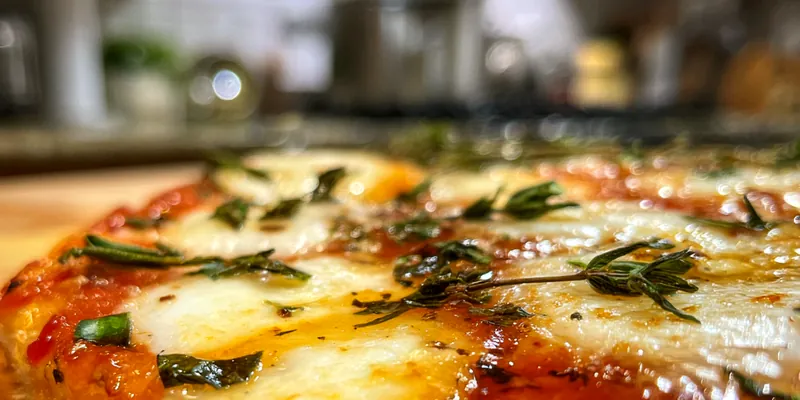
Classic Homemade Margherita Pizza is a celebration of simple, fresh ingredients that come together to create a dish beloved by many. Originating from Naples, this pizza features a thin, crispy crust topped with tomatoes, fresh mozzarella, and fragrant basil. Its simplicity is what makes it special, showcasing the quality of each ingredient. Perfect for family gatherings or casual evenings, this pizza brings the taste of Italy right to your kitchen. Follow along to master this timeless recipe and impress your guests with your culinary skills!

Why This Classic Homemade Margherita Pizza Works
This Classic Homemade Margherita Pizza recipe works beautifully due to its focus on high-quality ingredients and simple techniques. The combination of fresh mozzarella, vibrant tomatoes, and aromatic basil create a harmonious flavor profile that pleases the palate. The dough, when properly kneaded and allowed to rise, produces a light and airy crust that contrasts perfectly with the toppings. Moreover, baking at a high temperature ensures that the crust crisps up nicely while keeping the toppings fresh and flavorful.
What makes this recipe special is its authenticity. It embodies the principles of traditional Italian cooking—using fresh, local ingredients and letting their natural flavors shine. This pizza is not just food; it's a representation of Italian culture and culinary craftsmanship. Each bite transports you to a rustic Italian kitchen, where the focus is on quality over quantity. This is why making Margherita Pizza at home is such a rewarding experience.
💡 Professional Tip
For the best results, use high-quality ingredients. Opt for San Marzano tomatoes if you can find them; they add a rich flavor to the sauce. Additionally, let your dough rise in a warm environment to ensure a nice texture. When shaping your pizza, avoid using too much flour to prevent the dough from becoming tough. Finally, don’t skip the fresh basil—it’s essential for the authentic flavor.
Frequently Asked Questions
Yes, you can prepare the dough and sauce ahead of time. The dough can be stored in the refrigerator for up to 48 hours before use. Just make sure to let it come to room temperature before rolling it out. The sauce can also be made in advance and refrigerated for a few days. However, for best results, it's recommended to bake the pizza fresh when you're ready to serve.
If you're looking for substitutions, you can easily swap out the mozzarella for another type of cheese, such as provolone or gouda, though it will alter the flavor profile. For a gluten-free option, use a gluten-free pizza crust mix. Additionally, you can add toppings like arugula or prosciutto if you want to get creative, but traditional Margherita pizza is all about simplicity. Just remember to keep the balance of flavors in mind.
Your pizza is done when the crust is golden brown and the cheese is bubbling and slightly browned. A good indicator is to look for a well-risen, crispy edge. If you’re using a pizza stone, you can also check the bottom of the crust; it should be firm and have a light golden color. Use a pizza peel to carefully lift the pizza and inspect it closely.
Yes, you can freeze Classic Homemade Margherita Pizza. It’s best to freeze the pizza before baking it. Wrap the uncooked pizza tightly in plastic wrap and then in aluminum foil. You can freeze it for up to three months. When you’re ready to bake it, remove it from the freezer and let it thaw in the refrigerator overnight before baking at a high temperature.
This pizza pairs wonderfully with a fresh green salad, perhaps with a simple vinaigrette to balance the richness of the cheese. A side of garlic bread or bruschetta would also complement the meal nicely. For a drink, consider a light white wine or a refreshing Italian soda. The key is to keep the sides light and flavorful, allowing the pizza to be the star of the meal.
Leftover Classic Homemade Margherita Pizza can be stored in an airtight container in the refrigerator for up to 3 days. For longer storage, wrap it tightly and freeze it as mentioned earlier. When reheating, make sure to use a method that retains the crust's crispiness, such as an oven or skillet, rather than a microwave. This helps maintain the pizza's texture and flavor.
To adjust the spice level of your Classic Homemade Margherita Pizza, consider adding red pepper flakes to the sauce for a little heat. Alternatively, you can include spicy Italian sausage or pepperoni as toppings if you want a meatier option. For a milder flavor, simply omit any spicy ingredients and focus on the freshness of the tomatoes and basil. Balance is key, so taste as you go!
The best way to reheat your pizza is to use an oven or a skillet. Preheat the oven to 375°F (190°C) and place the pizza on a baking sheet for about 10-15 minutes until heated through. If using a skillet, place the pizza slice in a preheated skillet over medium heat, covering it with a lid to help the cheese melt. This method keeps the crust crispy while ensuring the toppings are warmed evenly.
Recipe Troubleshooting Guide
Too Dry
Problem: If your pizza turns out too dry, it may be due to the dough being over-kneaded or not enough sauce.
Solution: To avoid this, knead the dough just until smooth and elastic, and be generous with the sauce when spreading it on the dough before adding toppings.
Not Crispy
Problem: A common issue with pizza is a crust that doesn’t turn out crispy.
Solution: Ensure your oven is fully preheated, and consider using a pizza stone for better heat retention. You can also try par-baking the crust for a few minutes before adding toppings.
Overcooked
Problem: If your pizza is overcooked, it can become too hard and burnt.
Prevention: Keep a close eye on the pizza while it’s baking and test it a couple of minutes before the suggested baking time. Every oven is different, so adjustments may be needed.
Undercooked
Problem: An undercooked pizza will have a doughy texture.
Recovery: Make sure your oven is at the right temperature and give the pizza additional baking time if needed. If the crust is still pale, it likely needs more time.
Burnt
Problem: A burnt pizza is usually the result of too high of a temperature or baking too long.
Prevention: Try reducing the oven temperature slightly and keep an eye on the pizza as it bakes, checking for doneness earlier than the recommended time.
Flavor Balance
Too Sweet: If your pizza tastes too sweet, it could be due to an excess of sugar in the sauce.
Too Salty: A salty flavor can come from the cheese or added salt in the sauce; adjust accordingly next time.
Bland: If the pizza is bland, consider increasing the amount of seasoning in your sauce or trying fresh herbs to enhance the overall flavor.
Key Ingredients
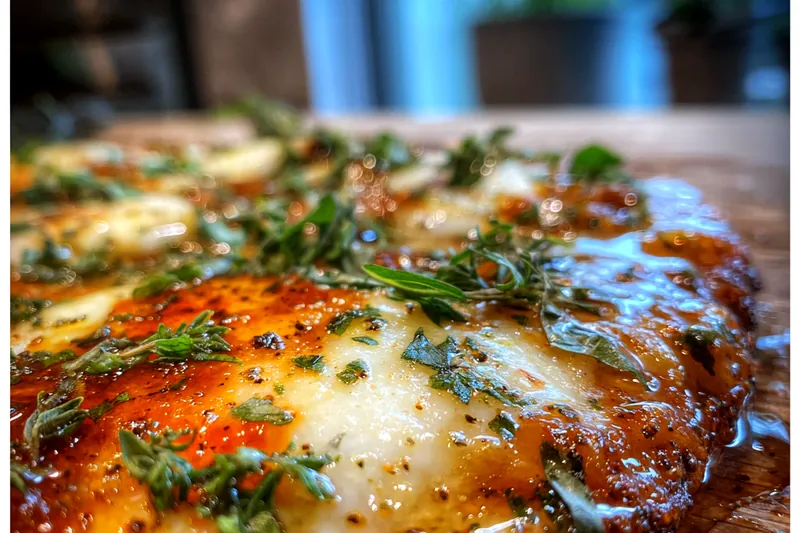
The main ingredients of Classic Homemade Margherita Pizza are straightforward yet essential. Quality flour contributes to a great crust, while fresh mozzarella provides a rich, creamy texture. Crushed tomatoes form the base sauce, delivering both flavor and moisture. Fresh basil leaves not only add color but also impart a fragrant aroma that enhances the pizza's overall appeal.
Seasonings play a significant role in elevating the flavors of this pizza. A pinch of salt in the dough and sauce balances sweetness and enhances the overall taste. The use of olive oil not only adds richness but also aids in achieving a crispy crust. For those who enjoy a little kick, a dash of red pepper flakes can be included in the sauce, although traditional Margherita Pizza keeps it simple.
Essential Ingredient Notes
- Main Ingredient: Fresh mozzarella is the star of the show in any Margherita Pizza. Its creamy texture melts beautifully, creating a luscious topping. Look for high-quality, whole milk mozzarella for the best results. If possible, choose mozzarella packed in water for added freshness.
- Second Key Ingredient: Crushed tomatoes are essential for the sauce, providing the foundation of flavor. Opt for San Marzano tomatoes for their natural sweetness. The sauce should be simple, with minimal ingredients to allow the tomatoes to shine. Avoid overly complex sauces to keep the focus on the fresh toppings.
- Essential Seasoning: Extra virgin olive oil is a must-have ingredient in Margherita Pizza. It adds depth to the flavor and assists in achieving a golden crust. Drizzle some on top before serving for an extra flavor boost. Additionally, using high-quality olive oil can elevate your pizza experience significantly.
Cooking Process
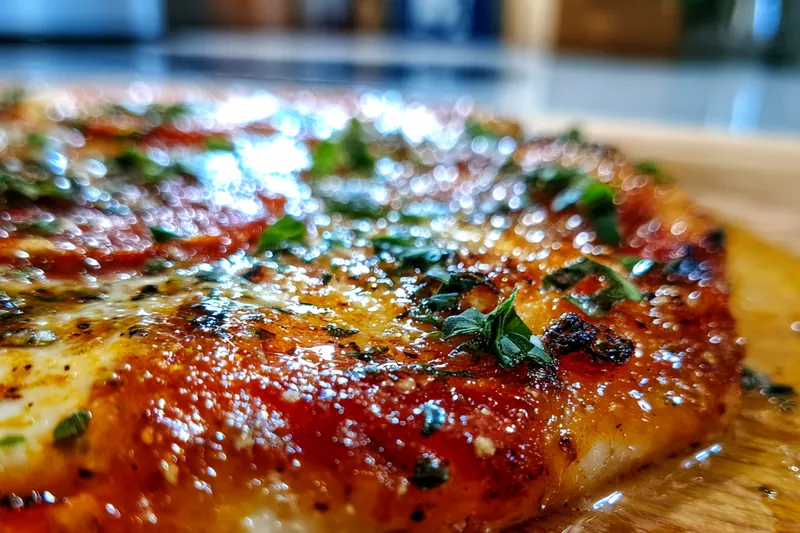
The cooking process for Classic Homemade Margherita Pizza is straightforward yet requires attention to detail. Begin by preparing the dough and allowing it to rise adequately to achieve the perfect texture. Once the dough is ready, roll it out and add your sauce and toppings. Baking at a high temperature is crucial for achieving that desired crispy crust while keeping the toppings fresh and flavorful.
After baking, the pizza should be topped with fresh basil and a drizzle of olive oil to enhance its aroma and flavor. Let it cool slightly before slicing to allow the cheese to set a bit, making it easier to cut. This simple yet effective process ensures a delicious homemade pizza that rivals your favorite pizzeria.
Key Technique
One key technique in making Classic Homemade Margherita Pizza is achieving the right dough consistency. Kneading the dough properly and allowing it to rise in a warm place are crucial steps for creating a light and airy crust. Additionally, using a pizza stone can significantly improve your results by providing even heat distribution, which helps in achieving a crispy base. Finally, don’t forget to keep an eye on baking time to prevent burning while allowing the cheese to bubble perfectly.
Classic Homemade Margherita Pizza
📋 Ingredients
Main Ingredients
- 1 cup crushed tomatoesfor the sauce
- 1 clove garlic, mincedadds flavor to the sauce
- 1 teaspoon sugarbalances acidity
- 1/2 teaspoon saltfor seasoning
Sauce/Seasoning
- 2 cups all-purpose flourfor the dough
- 1 teaspoon instant yeasthelps the dough rise
- 1 tablespoon olive oilfor flavor and moisture
- 8 ounces fresh mozzarella cheese, slicedfor topping
- 1/4 cup fresh basil leavesfor garnish
Instructions
Prepare the Dough
In a large bowl, combine the flour, instant yeast, and salt. Gradually add warm water and olive oil, mixing until a dough forms. Knead the dough on a floured surface for about 5-7 minutes until smooth.
Let the Dough Rise
Place the kneaded dough in a greased bowl, cover with a damp cloth, and let it rise in a warm area for about 1 hour or until it doubles in size.
Make the Sauce
In a saucepan, heat a little olive oil over medium heat. Add minced garlic and sauté for 1 minute before adding crushed tomatoes, sugar, and salt. Simmer for 10-15 minutes until slightly thickened.
Preheat the Oven
Preheat your oven to 475°F (245°C) or use a pizza stone if you have one. This high temperature helps achieve a crispy crust.
Shape the Pizza
Once the dough has risen, punch it down and transfer it to a floured surface. Roll it out into a 12-inch circle, making sure to keep the edges slightly thicker for the crust.
Add Sauce and Cheese
Spread the prepared sauce evenly over the dough, leaving a small border for the crust. Arrange the sliced mozzarella on top of the sauce.
Bake the Pizza
Transfer the pizza to the preheated oven or pizza stone. Bake for 12-15 minutes, or until the crust is golden and the cheese is bubbling.
Finish with Basil
Once out of the oven, sprinkle fresh basil leaves over the hot pizza. Drizzle with olive oil for extra flavor.
Serve and Enjoy
Allow the pizza to cool slightly before slicing. Serve hot with a side salad or your favorite dipping sauce.
Recipe Notes & Tips
Storage Tips
Store leftover pizza in an airtight container in the fridge for up to 3 days. Reheat in the oven to maintain its crispy crust. For longer storage, freeze uncooked pizzas, wrapped tightly, for up to three months.
Serving Ideas
Serve Classic Homemade Margherita Pizza alongside a fresh green salad dressed with vinaigrette. Garlic bread or bruschetta makes for great side dishes. Pair it with a light white wine or refreshing Italian soda.
Variations
Feel free to customize your pizza by adding toppings like arugula, prosciutto, or even different cheeses. Adjust the sauce by adding herbs or spices to suit your taste. For an even more gourmet twist, consider adding a drizzle of balsamic reduction before serving.