Coleslaw
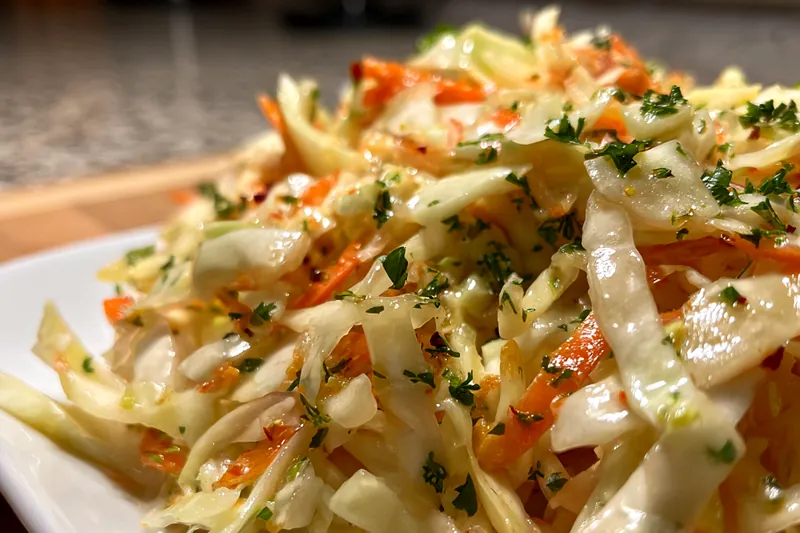
Coleslaw is a classic American side dish known for its crunchy texture and creamy dressing. Originating from the cabbage family, this dish has evolved over the years, often making an appearance at barbecues, picnics, and family gatherings. The combination of green and red cabbage, along with grated carrots, provides a vibrant color palette and a delightful crunch. What makes this coleslaw special is its balance of flavors from the tangy dressing and the sweetness of the vegetables. It's not just delicious; it's also a versatile addition to various meals, making it a must-try recipe for any home cook.


Why This Coleslaw Works
This coleslaw recipe works due to the harmony of textures and flavors that come from using both green and red cabbage. The green cabbage provides a classic crispness, while the red cabbage adds a subtle sweetness and vibrant color. Grated carrots not only contribute to the crunch but also enhance the dish's sweetness, balancing the tangy dressing. The addition of celery seed brings an unexpected flavor that elevates this coleslaw from ordinary to extraordinary. It’s the careful selection of ingredients and their ratios that make this coleslaw stand out.
What truly makes this coleslaw special is the homemade dressing, which is creamy yet tangy. Using mayonnaise as a base gives a rich texture, while apple cider vinegar adds a necessary acidity to cut through the richness. The sugar helps to balance the flavors and brings out the natural sweetness of the veggies. This combination not only enhances the taste but also ensures that the coleslaw remains fresh and zesty, making it an excellent accompaniment to various dishes.
💡 Professional Tip
For the best results, always use fresh ingredients. Freshly chopped cabbage and grated carrots will provide the ultimate crunch and flavor. Additionally, allow the coleslaw to chill for at least 30 minutes before serving; this resting time allows the flavors to meld beautifully. If you prefer a lighter version, consider substituting Greek yogurt for half the mayonnaise for a healthier twist without sacrificing creaminess. Lastly, feel free to experiment with additional ingredients like apples or raisins for a unique twist on the classic recipe.
Frequently Asked Questions
Yes, coleslaw can be made ahead of time, which is one of its great advantages. Preparing it a day in advance allows the flavors to develop even further, making it taste even better. Just be sure to store it in an airtight container in the refrigerator. However, if you're using ingredients like apples or nuts, you might want to add those just before serving to maintain their texture and freshness.
If you're looking to change things up, there are several great substitutions for coleslaw. Instead of cabbage, you can use kale or broccoli slaw for a different texture and flavor. For a lighter dressing, Greek yogurt can replace mayonnaise, offering creaminess with fewer calories. Additionally, including different vegetables such as bell peppers, radishes, or even fruits like pineapple can provide new flavors and a refreshing twist.
You’ll know your coleslaw is done when the vegetables are well-coated in the dressing and have had time to chill in the refrigerator. The texture should be crunchy yet tender, and the flavors should be balanced. A good way to test the flavor is to taste it after it has rested for a while; if it needs more seasoning, feel free to adjust with more salt, pepper, or even a splash of vinegar.
Freezing coleslaw is not recommended due to the high water content in the vegetables, which can become soggy upon thawing. The texture will change significantly, making it less appealing. If you do have leftovers, it’s best to store them in the refrigerator and consume them within a few days for the best quality and flavor.
Coleslaw pairs exceptionally well with a variety of dishes. It's a classic side for barbecued meats, fried chicken, and pulled pork sandwiches. Additionally, it can be served alongside grilled fish or in tacos for added crunch and flavor. Its versatility makes it a great addition to any summer picnic or family gathering.
Coleslaw can be safely stored in the refrigerator for about 3 to 5 days. Make sure to keep it in an airtight container to maintain its freshness. However, the longer it sits, the softer the vegetables will become, so for the best texture, try to eat it within a couple of days.
Adjusting the spice level of coleslaw is simple and can be done according to your taste preferences. If you prefer a kick, add some diced jalapeños or a dash of hot sauce to the dressing. For a milder version, you can simply reduce the amount of mustard or skip it altogether. Always taste as you go, so you can find the perfect balance for your palate.
Coleslaw is typically served cold and does not require reheating. If you happen to have leftovers, simply give it a good stir before serving. If you prefer it at room temperature, let it sit out for a short time before serving to allow the flavors to come together. Avoid heating it in a microwave, as this will alter the texture and freshness.
Recipe Troubleshooting Guide
Too Dry
Problem: If your coleslaw turns out too dry, it may not have enough dressing or moisture from the vegetables.
Solution: To fix this, simply add more dressing gradually until the desired consistency is reached. You can also squeeze in a little lemon juice or add a splash of vinegar for added moisture and flavor.
Not Crispy
Problem: A coleslaw that lacks crispiness may have used wilted or overly processed vegetables.
Solution: Always use fresh, crisp vegetables and avoid overmixing them with the dressing too early. Allowing the coleslaw to chill before serving can also help restore some crispness.
Overcooked
Problem: If your coleslaw is overcooked, it could be due to using pre-cooked vegetables or letting it sit too long before serving.
Prevention: To avoid this, always use fresh, raw vegetables for coleslaw and serve it soon after mixing. If you find your coleslaw has become too soft, you might consider turning it into a slaw topping for burgers or tacos.
Undercooked
Problem: If your coleslaw tastes bland or lacking in flavor, it might have undercooked or insufficiently seasoned ingredients.
Recovery: Ensure that you mix the dressing thoroughly and allow the coleslaw to chill for the flavors to meld. Taste and adjust seasoning as needed before serving.
Burnt
Problem: Coleslaw should not be burnt, but if you're using cooked ingredients, they can easily overcook.
Prevention: Always prepare coleslaw with fresh, raw vegetables to retain their crunchy texture and vibrant flavor. If you accidentally burn the dressing, make a fresh batch and combine it with the veggies.
Flavor Balance
Too Sweet: If your coleslaw is too sweet, it could be due to too much sugar in the dressing.
Too Salty: An overly salty coleslaw can be adjusted by adding more vegetables to balance the flavor.
Bland: For bland coleslaw, try increasing the seasoning and adding ingredients like lemon juice or vinegar for added acidity.

Key Ingredients
The main ingredients in coleslaw are green and red cabbage, which provide a great crunch and vibrant color. The cabbage is packed with vitamins and fiber, making this dish not only delicious but also nutritious. Grated carrots add natural sweetness and texture, enhancing the overall flavor profile. These ingredients serve as the foundation for the coleslaw, allowing for various dressing options to create a personalized taste experience.
The dressing is what truly elevates coleslaw, with mayonnaise providing creaminess and apple cider vinegar adding a tangy kick. Sugar balances the acidity, ensuring a harmonious flavor. Celery seed brings an added depth, making the coleslaw more intriguing. You can also experiment with different spices and seasonings to customize the dressing to your liking, ensuring a unique twist every time.
Essential Ingredient Notes
- Main Ingredient: The main ingredient in coleslaw is cabbage, which comes in various types like green, red, and napa. The choice of cabbage affects the flavor and texture, with green cabbage being the most commonly used for its crispness. Shredding the cabbage finely allows for better coating with the dressing, ensuring every bite is flavorful. Always choose fresh, firm cabbage heads for the best results.
- Second Key Ingredient: Grated carrots are the second key ingredient that adds sweetness and color to coleslaw. They not only enhance the visual appeal but also provide a crunchy texture that complements the cabbage. For the best flavor, use fresh, organic carrots and grate them just before mixing. This will ensure that they retain their moisture and crunch, making your coleslaw irresistible.
- Essential Seasoning: The essential seasoning for coleslaw is the dressing, which can vary widely. A classic coleslaw dressing typically includes mayonnaise, vinegar, sugar, and various spices. The right balance of these ingredients is crucial to achieving that perfect creamy and tangy flavor. Don't hesitate to adjust the seasoning to suit your taste; a little experimentation can lead to your new favorite dressing.
Cooking Process
The cooking process for coleslaw is quite simple and begins with preparing the vegetables. Start by shredding the cabbage and grating the carrots, ensuring uniform sizes for even mixing. It’s recommended to use a sharp knife or a food processor for efficiency. After preparing the vegetables, you’ll move on to making the dressing, mixing all the ingredients until smooth and creamy.
Once the dressing is ready, combine it with the vegetables in a large bowl. Toss the mixture gently but thoroughly to ensure all the veggies are evenly coated. The final step is to let the coleslaw chill in the refrigerator for at least 30 minutes before serving. This resting period is crucial as it allows the flavors to meld and enhances the overall taste of the dish.
Key Technique
The key technique for making perfect coleslaw lies in the preparation and resting phase. Properly shredding the cabbage and grating the carrots is vital for achieving the right texture. Additionally, allowing the coleslaw to rest in the refrigerator is essential for enhancing the flavors. This not only makes the dish more delicious but also allows the vegetables to absorb the flavors of the dressing, resulting in a more harmonious dish. Always taste before serving to make any necessary adjustments.
Coleslaw
📋 Ingredients
Main Ingredients
- 1 cup mayonnaiseCreamy base for the dressing
- 2 tablespoons apple cider vinegarAdds tanginess
- 2 tablespoons sugarBalances acidity
- 1 teaspoon celery seedEnhances flavor
- Salt and pepper to tasteFor seasoning
Sauce/Seasoning
- 1 small head green cabbage, shreddedMain vegetable
- 1 small head red cabbage, shreddedAdds color
- 2 large carrots, gratedAdds sweetness
- 1 small onion, finely choppedFor flavor
- 1/4 cup chopped fresh parsleyFor garnish
Instructions
Prepare the Vegetables
Start by thoroughly washing the cabbage heads. Shred the green and red cabbage using a sharp knife or a food processor. Next, grate the carrots and finely chop the onion, ensuring all vegetables are evenly sized for optimal mixing.
Make the Dressing
In a large bowl, combine the mayonnaise, apple cider vinegar, sugar, Dijon mustard, celery seed, salt, and pepper. Whisk the ingredients together until smooth and creamy, ensuring the sugar dissolves completely for a perfect balance of flavors.
Combine Ingredients
Add the shredded cabbage, grated carrots, and chopped onions to the bowl with the dressing. Gently toss the mixture until all the vegetables are evenly coated with the dressing, ensuring every bite is flavorful.
Chill the Coleslaw
Cover the coleslaw mixture with plastic wrap and refrigerate for at least 30 minutes. Chilling allows the flavors to meld together, enhancing the overall taste of the dish.
Serve and Enjoy
After chilling, give the coleslaw a good stir before serving. Transfer it to a serving bowl, garnish with fresh parsley, and enjoy it as a side dish with your favorite main courses like grilled meats or sandwiches.
Recipe Notes & Tips
Storage Tips
To store coleslaw, keep it in an airtight container in the refrigerator. It’s best consumed within 3 to 5 days for optimal freshness. If you notice any excess liquid in the container, simply drain it off before serving to maintain the desired texture.
Serving Ideas
Coleslaw is perfect for serving alongside grilled meats, sandwiches, or as a topping for tacos. It also works well at summer picnics and barbecues as a refreshing side dish. You can even serve it on a bed of greens for a light lunch.
Variations
Feel free to experiment with different variations of coleslaw. Adding fruits such as apples or pineapples can give a sweet twist, while including nuts can add an interesting crunch. For a spicy kick, consider adding jalapeños or a dash of hot sauce to the dressing.