Corn on the Cob with Butter
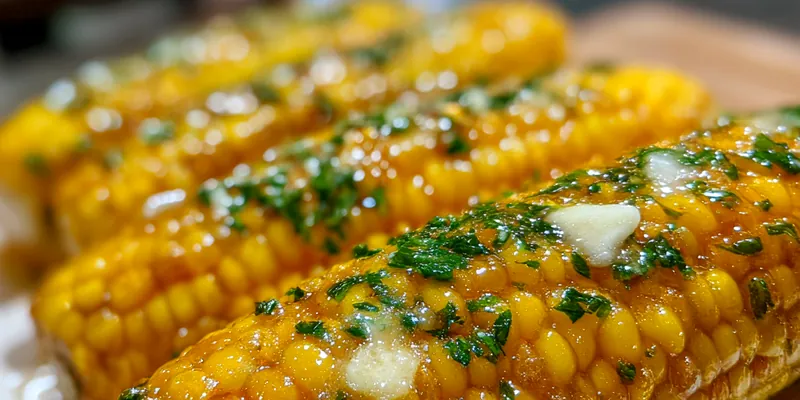
Corn on the Cob with Butter is a timeless staple that brings joy to summer meals and barbecues. The sweetness of the corn combined with creamy, flavorful butter creates a harmonious dish that highlights the natural flavors of fresh corn. Whether enjoyed at a backyard cookout or as a cozy dinner side, this recipe is simple yet satisfying. With just a few ingredients and easy steps, you can impress your guests with a dish that's both comforting and delightful. This classic preparation is perfect for showcasing the peak flavors of summer corn.

Why This Corn on the Cob with Butter Works
The technique of boiling corn on the cob is a time-tested method that ensures the kernels are tender and flavorful. Cooking the corn quickly in boiling water helps to preserve its natural sweetness and crunch. Adding salt to the water enhances the overall flavor, making each bite irresistible. This method is simple yet effective, allowing the corn to shine as the star of the dish. The key is to avoid overcooking, so the corn retains its vibrant color and texture.
What makes this recipe special is the homemade butter mixture that complements the corn perfectly. By mixing in spices like garlic powder and paprika, you add layers of flavor that elevate the dish. The fresh parsley garnish not only adds color but also a hint of freshness that rounds out the flavors beautifully. This recipe embraces the essence of summer and showcases the beauty of fresh ingredients. The combination of sweet corn and rich butter is a match made in flavor heaven.
💡 Professional Tip
For the best results, choose the freshest corn available, ideally from a local farmer's market. Look for ears with tight, green husks and plump kernels. If using frozen corn, consider grilling it instead for a smoky flavor. Additionally, feel free to experiment with different seasonings and toppings like cheese or chili powder for a unique twist. Always taste the butter mixture before applying to adjust the seasonings to your liking.
Frequently Asked Questions
While it's best to serve corn on the cob fresh, you can prepare the butter mixture ahead of time. Store it in the refrigerator for up to a week, and simply slather it on the corn just before serving. If you need to pre-cook the corn, consider boiling it for a shorter time and then reheating it on the grill or in the oven just before serving. This helps maintain its flavor and texture.
If you're looking for alternatives, you can use olive oil or plant-based butter for a dairy-free option. For a spicy twist, consider adding cayenne pepper or chili powder to your butter mixture. Additionally, if fresh corn is not available, you can use frozen corn, although the taste may vary slightly. Don't hesitate to get creative with herbs and spices to personalize your dish.
The corn is done when the kernels are tender and juicy, which usually takes about 10-15 minutes of boiling. You can test doneness by piercing a kernel with a fork; it should be tender but still have a slight crunch. If you're unsure, it's always better to start checking a few minutes early to avoid overcooking. Once the corn is cooked, remove it immediately from the boiling water to prevent it from continuing to cook.
Yes, you can freeze corn on the cob, but it's best to blanch it first to preserve its flavor and texture. Boil the corn for about 4-5 minutes, then immediately transfer it to an ice bath to stop the cooking process. After cooling, wrap the corn tightly in plastic wrap or aluminum foil and store it in an airtight container in the freezer for up to a year. When you're ready to enjoy it, simply thaw and reheat before serving.
Corn on the cob pairs wonderfully with grilled meats, such as burgers, hot dogs, or chicken. It also complements fresh salads, baked beans, or coleslaw for a complete summer meal. For a more substantial dinner, consider serving it alongside steak or ribs. The versatility of corn on the cob allows it to shine in various culinary settings.
Cooked corn on the cob can be stored in the refrigerator for up to 3 days. Ensure it is covered tightly to prevent drying out. If you have leftover butter, store it in an airtight container in the fridge as well. For best results, consume the corn as soon as possible to enjoy its fresh flavor.
You can easily adjust the spice level of the butter mixture to suit your taste. For a milder flavor, reduce the amount of garlic powder and paprika. If you enjoy a spicy kick, add cayenne pepper or red pepper flakes to the butter. Always taste the mixture before applying it to ensure it meets your spice preference.
The best way to reheat corn on the cob is to steam it or use the microwave. For steaming, place the corn in a steamer basket over boiling water for about 5 minutes. In the microwave, wrap the corn in a damp paper towel and heat in 30-second intervals until warmed through. Avoid reheating in the oven, as this can dry out the corn.
Recipe Troubleshooting Guide
Too Dry
Problem: If your corn on the cob turns out dry, it’s likely overcooked or not enough butter was applied.
Solution: To remedy this, ensure you’re monitoring the cooking time closely next time. Adding more butter or even a drizzle of olive oil can also help keep the corn moist.
Not Crispy
Problem: If the corn lacks that desirable crunch, it may not have been boiled long enough.
Solution: Make sure to cook the corn until tender, and consider grilling it briefly after boiling for extra texture and flavor.
Overcooked
Problem: Overcooked corn can become mushy and lose its fresh taste.
Prevention: If this happens, use it in salads or salsas where the texture is less noticeable, or puree it into a corn soup.
Undercooked
Problem: Undercooked corn will be hard and not pleasant to eat.
Recovery: If you find your corn undercooked, simply return it to the boiling water for a few more minutes until tender.
Burnt
Problem: Burnt corn is usually a result of grilling without proper monitoring.
Prevention: To prevent this, rotate the corn frequently while grilling and keep a close eye on it to ensure even cooking.
Flavor Balance
Too Sweet: If the corn is too sweet, balance it with a sprinkle of salt or a hint of lemon juice.
Too Salty: If your dish tastes too salty, serve it with a side of plain rice or bread to offset the saltiness.
Bland: For bland corn, consider adding more seasoning or a drizzle of flavored oil to enhance the taste.
Key Ingredients
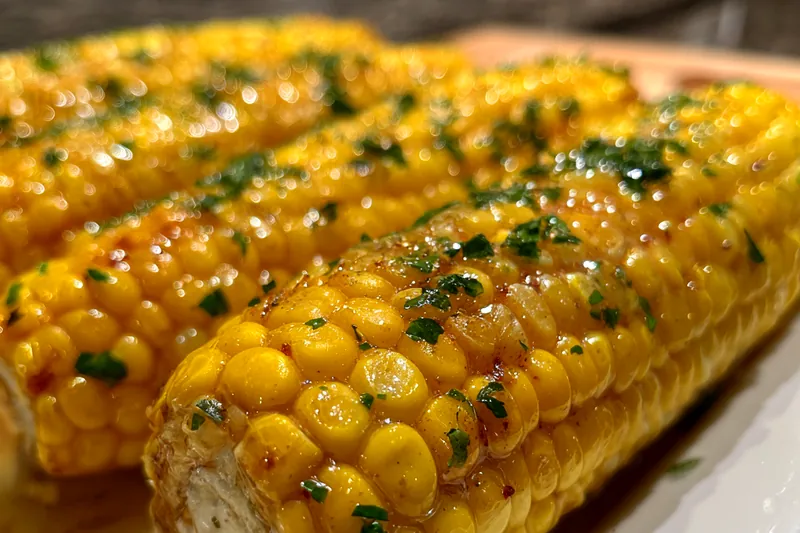
The main ingredients for this dish are fresh corn on the cob and high-quality butter. Fresh corn is essential, as it provides natural sweetness and texture that frozen corn simply cannot replicate. Look for corn with bright green husks and plump, moist kernels. The butter plays a crucial role in enhancing the flavor and adding richness to the dish. Opt for unsalted butter to allow for better control over the seasoning.
In addition to corn and butter, seasonings like salt, garlic powder, and paprika are key to elevating the flavor profile. Fresh parsley adds not only a pop of color but also freshness that complements the richness of the butter. For those who enjoy a tangy flavor, a squeeze of lemon juice can brighten the dish. These ingredients work together to create a balanced and delicious side dish that pairs well with a variety of main courses.
Essential Ingredient Notes
- Main Ingredient: Fresh corn is the star of this dish, providing sweetness and crunch. Choose ears that feel heavy for their size and have tightly wrapped husks. The best corn is harvested at its peak, so buy from local farmers when possible.
- Second Key Ingredient: Unsalted butter is essential for achieving that rich flavor without overpowering the corn's natural sweetness. Softening the butter allows for easy spreading, ensuring that every bite is deliciously coated. Consider using flavored butters for an extra twist.
- Essential Seasoning: Seasoning is crucial to bring out the best in your corn. Salt enhances the sweetness, while garlic powder and paprika add depth and complexity. Adjust the seasonings to match your personal taste preference for an optimal experience.
Cooking Process
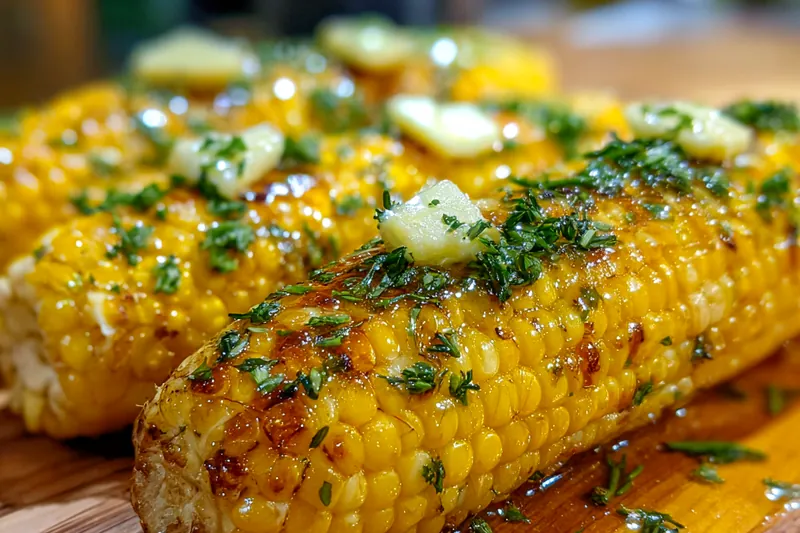
The cooking process for Corn on the Cob with Butter is straightforward and quick. Start by preparing your corn, ensuring it's clean and free of silk. Boil a pot of salted water, as this will enhance the flavor of the corn while cooking. Once boiling, add the corn and cook until tender, typically around 10-15 minutes depending on the size of the ears. The goal is to achieve perfectly cooked corn that retains its natural sweetness.
After boiling, it’s essential to drain the corn well to prevent sogginess. Applying the butter mixture while the corn is still hot allows it to melt beautifully, soaking into the kernels. Lastly, garnishing with fresh herbs adds a bright touch and visually appealing presentation. Your Corn on the Cob with Butter will be ready to serve, bursting with flavors and textures that everyone will love.
Key Technique
The key technique to mastering Corn on the Cob with Butter lies in the timing and temperature during cooking. Boiling the corn quickly at high heat helps preserve its natural sweetness and texture. Avoid overcrowding the pot, as this can lead to uneven cooking. Additionally, using fresh ingredients and seasoning appropriately leads to a balanced flavor profile. This simple yet effective method ensures a delicious and satisfying dish every time.
Corn on the Cob with Butter
📋 Ingredients
Main Ingredients
- 1/2 cup unsalted butter, softenedfor a creamy, flavorful finish
- 1 teaspoon saltenhances the corn's natural sweetness
- 1 teaspoon garlic powderadds a savory depth of flavor
- 1 teaspoon paprikafor a hint of smokiness
- 1 tablespoon lemon juicefor added brightness
Sauce/Seasoning
- 4 ears of fresh corn on the cobthe main ingredient
- 1/2 cup unsalted butterfor a rich, creamy finish
- 1 tablespoon sugar (optional)for sweetness, if desired
- 1/2 teaspoon black pepperfor added flavor
- 1 tablespoon chopped fresh parsleyfor garnish and freshness
Instructions
Prepare the Corn
Start by peeling back the husks of the corn and removing the silk. Rinse the corn under cold water to ensure it's clean. If desired, break the cobs in half for easier handling.
Boil Water
Fill a large pot with water and bring it to a rolling boil. Add a pinch of salt to the water to enhance the flavor of the corn. Make sure there’s enough water to fully submerge the corn.
Cook the Corn
Once the water is boiling, add the corn and cover the pot. Cook for about 10-15 minutes, or until the corn is tender. You can taste a kernel to ensure it's cooked to your preference.
Prepare Butter Mixture
In a bowl, mix the softened butter with garlic powder, paprika, salt, and pepper. Stir until well combined and creamy. You can adjust the seasonings to suit your taste.
Drain the Corn
Once the corn is cooked, carefully remove it from the pot using tongs. Allow the excess water to drain off before transferring it to a serving platter. Be cautious as the corn will be hot.
Apply the Butter
While the corn is still hot, generously slather the butter mixture over each ear. Use a brush or knife to ensure an even coating. The heat from the corn will help melt the butter.
Garnish
Sprinkle the chopped fresh parsley over the buttered corn for a pop of color and added freshness. You can also add a squeeze of lemon juice for a tangy flavor.
Serve
Serve the corn on the cob hot, with lime wedges on the side for an extra twist. Enjoy your delicious corn on the cob as a side dish or a main attraction at your summer gatherings.
Recipe Notes & Tips
Storage Tips
To store leftover corn on the cob, wrap it tightly in plastic wrap or aluminum foil and place it in the refrigerator. It can be stored for up to three days. If you plan to keep it longer, consider freezing it after blanching. Proper storage helps maintain flavor and texture.
Serving Ideas
Corn on the cob can be served alongside a variety of dishes, including grilled meats, salads, or hearty soups. It’s a versatile side that pairs well with summer barbecues, picnics, and family gatherings. Consider adding it to taco nights or serving it as part of a vegetable platter.
Variations
Feel free to experiment with different toppings for your corn on the cob. For a cheesy twist, sprinkle grated Parmesan or Cotija cheese on top. You can also try flavored butters, such as herb or chili lime, to switch up the flavor profile. Adding spices like cumin or smoked paprika can give the dish an exciting new dimension.