Hummus with Warm Bread
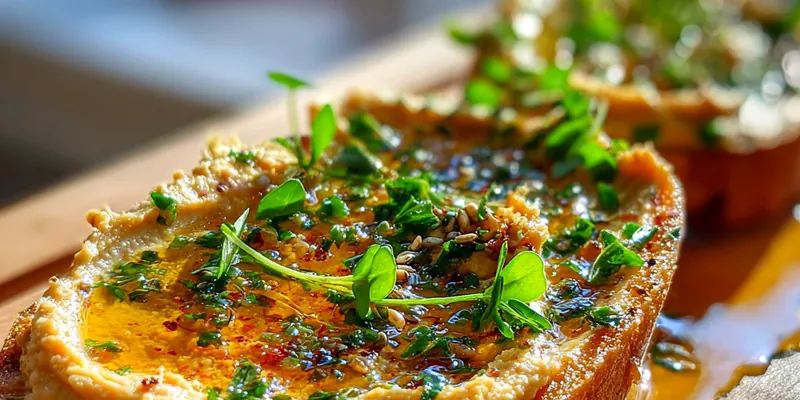
Hummus with Warm Bread is a delightful and nutritious dish that brings the flavors of the Mediterranean right to your table. This recipe features creamy hummus made from chickpeas, tahini, and a touch of garlic, served with warm, soft pita bread. It’s perfect as an appetizer for gatherings, a healthy snack, or even as a light meal. What makes this dish special is its versatility and the homemade touch, allowing you to adjust flavors to your preference. Whether you're entertaining guests or enjoying a casual night in, Hummus with Warm Bread is a flavorful and satisfying choice.

Why This Hummus with Warm Bread Works
The secret to a perfect hummus lies in the quality of ingredients and the technique used to blend them. By using canned chickpeas for convenience and blending them with tahini, garlic, and olive oil, you create a smooth and creamy texture. The addition of lemon juice and cumin adds depth and balance to the flavor, making it irresistible. This combination not only enhances the taste but also provides numerous health benefits, including protein and fiber from chickpeas and healthy fats from olive oil.
What makes this dish particularly special is its adaptability. You can easily modify the seasoning to suit your taste or even add additional ingredients like roasted red peppers or spices for a unique twist. The warm pita bread complements the chilled hummus, creating a delightful contrast in temperature and texture. This dish is perfect for various occasions, from casual gatherings to elegant dinner parties, ensuring that it pleases a wide range of palates.
💡 Professional Tip
For an extra creamy hummus, consider peeling the skins off the chickpeas before blending. This step may take a bit more time but results in a silkier texture. Additionally, adding a small amount of ice water while blending can help achieve that desired creaminess. Don't hesitate to experiment with the flavors; fresh herbs like basil or mint can add an exciting twist to the traditional recipe.
Frequently Asked Questions
Yes, you can prepare hummus in advance and store it in the refrigerator for up to a week. Just ensure it’s in an airtight container to maintain its freshness. For the best flavor, allow it to sit at room temperature for about 30 minutes before serving. The pita can be warmed right before serving for that delightful fresh-baked taste.
If you don't have tahini, you can use peanut butter or sunflower seed butter as an alternative. For a gluten-free version, replace the pita with gluten-free crackers or veggie sticks. You can also try different beans such as white beans or black beans instead of chickpeas for a different flavor profile. Each substitution can bring a unique twist to the dish while maintaining its essence.
The hummus is ready when it reaches a creamy and smooth consistency. Taste it as you blend; if you find it too thick, add a little more water or olive oil to lighten it up. The flavors should be well balanced, with a hint of saltiness and a citrusy brightness from the lemon juice. Remember, the final texture will be slightly thicker once chilled.
Yes, hummus can be frozen for up to three months. Make sure to store it in an airtight container, leaving some space at the top as it might expand when frozen. To thaw, simply transfer it to the refrigerator overnight. Stir well before serving, and consider adding a bit more olive oil or lemon juice to refresh the flavors.
Hummus pairs well with various accompaniments like fresh vegetables such as cucumber, carrots, and bell peppers. You can also serve it alongside olives, feta cheese, or a salad for a more substantial meal. For a flavorful twist, consider adding roasted vegetables or spiced chickpeas on top of the hummus. This not only enhances the presentation but also adds layers of flavor to each bite.
Homemade hummus can be stored in the refrigerator for up to one week. Ensure it is kept in an airtight container to preserve its freshness. If you notice any change in smell or texture, it's best to discard it. The warm pita bread is best enjoyed fresh, so it's advisable to eat it on the day it’s prepared.
You can easily adjust the spice level by adding more or less garlic, cumin, or even a pinch of cayenne pepper for a kick. If you're serving guests, consider offering additional spices on the side so everyone can customize their experience. Experimenting with spices can elevate the flavor profile of the hummus, making it more exciting and personal.
To reheat pita bread, wrap it in aluminum foil and place it in a preheated oven at 350°F (175°C) for about 5-10 minutes. Alternatively, you can place it in a skillet over low heat for a few minutes on each side. Avoid using the microwave as it may make the pita chewy rather than soft and warm. Enjoy the reheated pita with fresh hummus for a delightful experience.
Recipe Troubleshooting Guide
Too Dry
Problem: If your hummus turns out too dry, it may be due to insufficient liquid during the blending process.
Solution: To fix this, gradually add more water, olive oil, or lemon juice while blending until you reach the desired consistency. A little at a time will help you avoid making it too watery.
Not Crispy
Problem: If your pita bread isn't crispy, it might not have been warmed long enough or at the right temperature.
Solution: Ensure the oven is properly preheated and consider increasing the warming time slightly. If using a skillet, a quick sear can help achieve that crispy texture.
Overcooked
Problem: If the pita bread is overcooked, it will become hard and unappetizing.
Prevention: Keep a close eye on it while warming, and remove it as soon as it becomes soft and warm. You can also brush it with olive oil to help retain moisture.
Undercooked
Problem: Undercooked pita may be too doughy and not have the desired softness.
Recovery: If this happens, return it to the oven for a few more minutes, checking frequently until it’s just right. Allowing it to cool slightly before serving will help as well.
Burnt
Problem: Burnt pita bread will have an unpleasant taste and texture.
Prevention: Always monitor the bread closely while it’s heating. If it does burn, you might consider cutting off the burnt edges and serving the remaining parts.
Flavor Balance
Too Sweet: If the hummus is overly sweet, it could be due to too much lemon juice or tahini.
Too Salty: For salty hummus, simply add a bit more water or olive oil to balance the flavors.
Bland: If the hummus tastes bland, add more salt, lemon juice, or spices to enhance the flavor.

Key Ingredients
The main ingredients for this hummus recipe include chickpeas, tahini, garlic, and olive oil. Chickpeas are packed with protein and fiber, making them a healthy base for the dish. Tahini, made from ground sesame seeds, adds creaminess and a nutty flavor. Fresh garlic and lemon juice provide a zesty kick that elevates the taste, while olive oil gives it a rich, smooth texture. Together, these ingredients create a deliciously balanced dip.
Seasonings play a crucial role in making hummus flavorful. Ground cumin adds warmth and depth, while salt enhances the overall taste. Feel free to experiment with additional spices like paprika or cayenne for a bit of heat. Fresh herbs can also be incorporated to add brightness and freshness to the dish. This versatility allows you to customize the hummus to your liking.
Essential Ingredient Notes
- Main Ingredient: Chickpeas are the star of this dish, providing protein and fiber. Opt for canned chickpeas for convenience, but dried chickpeas can be cooked for a richer flavor. The key is to blend them until smooth to achieve that creamy texture.
- Second Key Ingredient: Tahini is essential for creating the creamy consistency of hummus. It contributes a unique nutty flavor that pairs perfectly with chickpeas. Make sure to stir it well before measuring, as it can separate in the jar.
- Essential Seasoning: Lemon juice is crucial for adding acidity and brightness to the hummus. It balances the richness of tahini and olive oil, creating a harmonious flavor. Freshly squeezed lemon juice is always recommended for the best taste.
Cooking Process
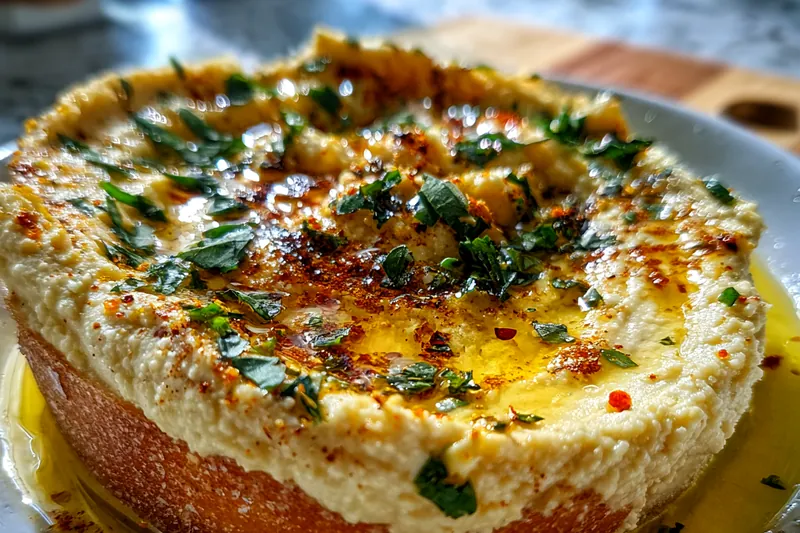
Start by blending your chickpeas with tahini, garlic, olive oil, and lemon juice in a food processor until smooth. Gradually add water to achieve your desired consistency, blending until creamy. Don't forget to taste and adjust the seasoning as necessary, ensuring the hummus is flavorful and well-balanced. Once ready, transfer the hummus to a serving bowl, drizzling with olive oil to enhance its richness.
While the hummus is resting, prepare the pita bread. Preheat your oven and brush the pita with olive oil before warming them for a few minutes. Once soft and warm, cut the pita into triangles for easy dipping. Serve the hummus with the warm pita alongside fresh vegetables for a complete and satisfying dish.
Key Technique
The key to a perfectly smooth hummus is the blending technique. Start with the chickpeas and tahini, then add in the other ingredients gradually. This method allows for better incorporation and a creamier texture. Don’t rush the blending; take your time to ensure everything is well combined. If the mixture is too thick, adding ice water can also help achieve that desired consistency.
Hummus with Warm Bread
📋 Ingredients
Main Ingredients
- Salt to tasteEnhances flavor
- 1 teaspoon ground cuminAdds depth
Sauce/Seasoning
- 1 can (15 oz) chickpeas, drained and rinsedMain base
- 1/4 cup tahiniProvides creaminess
- 2 cloves garlic, mincedFor flavor
- 2 tablespoons olive oilFor richness
- 1 lemon, juicedAdds brightness
- 1/4 cup waterTo achieve consistency
Instructions
Prepare the Hummus
In a food processor, combine chickpeas, tahini, minced garlic, olive oil, lemon juice, ground cumin, and salt. Blend until smooth, adding water gradually to reach your desired consistency.
Taste and Adjust
Taste the hummus and adjust seasoning as needed. If you prefer it creamier, add a bit more olive oil or water. Transfer to a serving bowl and drizzle with olive oil.
Warm the Pita
Preheat your oven to 350°F (175°C). Place pita breads on a baking sheet and brush lightly with olive oil. Warm them in the oven for about 5-7 minutes until soft and pliable.
Serve the Hummus
Once the pita is warmed, remove it from the oven and cut it into triangles. Serve alongside the hummus, garnished with fresh parsley and a sprinkle of sesame seeds if desired.
Enjoy
Enjoy your hummus with warm pita as a delightful appetizer or snack. It pairs well with fresh vegetables as well.
Recipe Notes & Tips
Storage Tips
Store leftover hummus in an airtight container in the refrigerator, where it will stay fresh for up to a week. If you have a large batch, consider freezing it in portions for later use. To keep it tasting fresh, drizzle a bit of olive oil on top before sealing the container.
Serving Ideas
Serve the hummus with a variety of dippable items like carrot sticks, cucumber slices, or bell pepper strips. For a heartier option, consider pairing it with grilled shrimp or spiced meats. You can also create a beautiful platter by adding olives, pickles, and cheese.
Variations
Feel free to experiment with flavors by adding roasted red peppers, sun-dried tomatoes, or extra spices. For a spicier version, add jalapeños or crushed red pepper flakes. Each variation can bring a unique twist while still celebrating the essence of this beloved dish.