Moist Vanilla Sponge Cake
Moist Vanilla Sponge Cake is a classic dessert that is both simple to make and deeply satisfying to eat. Its light and airy texture, coupled with a rich vanilla flavor, makes it the perfect treat for birthdays, celebrations, or just a sweet afternoon snack. The cake's origins can be traced back to traditional baking methods, where the focus was on creating a light and fluffy texture using basic kitchen ingredients. What makes this cake truly special is its versatility; it can be enjoyed on its own or paired with various toppings. Whether you are a novice baker or a seasoned pro, this recipe will yield a delightful cake every time.

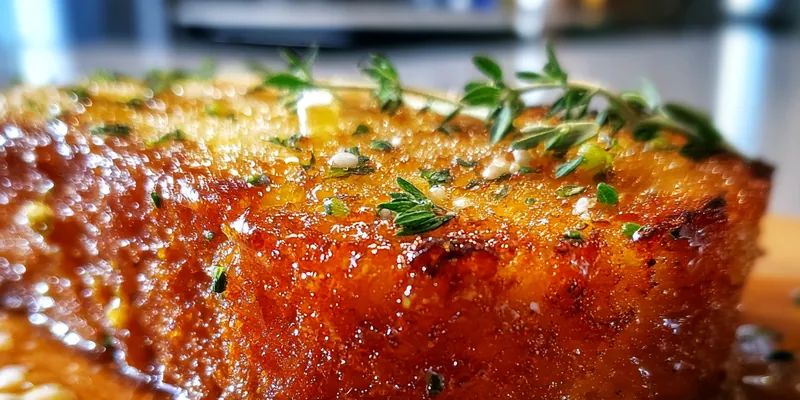
Why This Moist Vanilla Sponge Cake Works
The technique used in this recipe is key to achieving a perfect sponge cake. By creaming the butter and sugar together until light and fluffy, you introduce air into the batter, which is essential for a light texture. The addition of eggs enhances the structure and richness, while the careful mixing of dry and wet ingredients ensures no overmixing occurs, preventing a dense cake. This balance of ingredients and method is what creates that sought-after moistness.
What sets this vanilla sponge cake apart is its simplicity and versatility. It serves as a blank canvas for various toppings, such as fresh fruit, whipped cream, or even ganache. The cake remains moist for days, making it an excellent make-ahead option for gatherings. Additionally, the flavor profile is universally loved, appealing to both children and adults alike. This moist vanilla sponge cake is bound to become a staple in your baking repertoire.
💡 Professional Tip
To ensure your sponge cake rises perfectly, make sure your butter is at room temperature before creaming. This allows it to incorporate air more effectively. Additionally, avoid opening the oven door during baking, as this can cause the cake to collapse. Finally, always let your cake cool completely before frosting or serving to allow it to set properly.
Frequently Asked Questions
Absolutely! This cake can be made a day in advance and stored in an airtight container. It actually tastes better after resting, as the flavors have time to meld. Just ensure it is completely cooled before wrapping it to preserve its moisture. If you plan to frost it, wait until just before serving to maintain its freshness.
If you're looking to make substitutions, you can replace all-purpose flour with a gluten-free blend for a gluten-free version. Coconut oil can be used instead of butter for a dairy-free option. Additionally, you can swap out the milk for almond or oat milk if you're avoiding dairy. Each substitution will alter the flavor slightly, but the cake will still be delicious.
To check if your sponge cake is done, insert a toothpick into the center. If it comes out clean or with a few crumbs attached, it's ready. Additionally, the cake should spring back when lightly pressed on the surface. If it leaves an indentation, it may need a few more minutes in the oven.
Yes, this vanilla sponge cake freezes very well. Wrap it tightly in plastic wrap and then in aluminum foil to prevent freezer burn. It can be frozen for up to three months. Thaw it in the refrigerator overnight before serving to retain its moisture.
This cake pairs wonderfully with fresh berries, a dollop of whipped cream, or even a scoop of ice cream. You can also drizzle it with chocolate or caramel sauce for an indulgent treat. For a more elegant presentation, consider serving it with a fruit compote or a light citrus glaze.
When stored in an airtight container, this cake can last up to 4-5 days at room temperature. If you live in a particularly humid environment, it's best to refrigerate it to maintain its freshness. Just allow the cake to come to room temperature before serving for the best flavor and texture.
While this cake is traditionally flavored with vanilla, you can add spices like cinnamon or nutmeg for a warm twist. Just be sure to use them sparingly, as they can overpower the delicate vanilla flavor. Additionally, you could incorporate citrus zest for brightness, enhancing the overall flavor profile.
If you need to reheat your vanilla sponge cake, the best method is to use the microwave. Place a slice on a microwave-safe plate and cover it with a damp paper towel. Heat for about 10-15 seconds, checking to avoid overheating. This method ensures the cake remains moist and does not dry out.
Recipe Troubleshooting Guide
Too Dry
Problem: If your sponge cake turns out dry, it could be due to overbaking or using too much flour.
Solution: To prevent this, always check for doneness a few minutes before the recommended baking time and measure flour accurately. Using the spoon-and-level method will help achieve the right amount.
Not Crispy
Problem: A sponge cake that lacks a crispy top may have been baked at too low a temperature or not baked long enough.
Solution: Ensure your oven is properly calibrated and preheated. If necessary, give the cake a few additional minutes in the oven while watching closely.
Overcooked
Problem: An overcooked sponge cake will have a tough texture and may be dry.
Prevention: To avoid this, use an oven thermometer to ensure accuracy and check the cake several minutes before the suggested baking time.
Undercooked
Problem: If the cake is undercooked, it will be gooey in the center and not rise properly.
Recovery: Always test with a toothpick and return to the oven if needed. Adjust the baking time based on your oven's characteristics.
Burnt
Problem: If your cake is burnt, it may have been placed too close to the heating element or left in the oven too long.
Prevention: Make sure to place the cake in the center of the oven and use a timer to track baking time accurately.
Flavor Balance
Too Sweet: If your cake is too sweet, it may be due to an excess of sugar or sweet toppings.
Too Salty: A salty taste can result from using a salted butter instead of unsalted.
Bland: If the cake is bland, consider adding more vanilla extract or incorporating a touch of citrus zest to enhance the flavor.
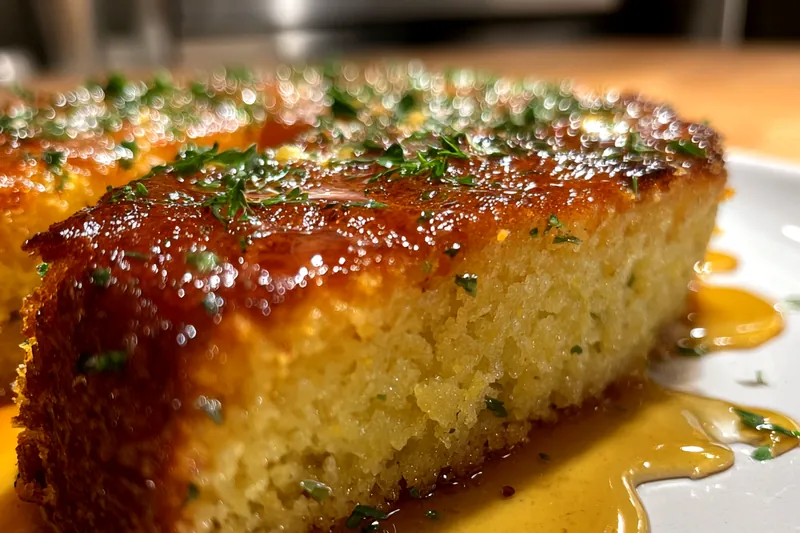
Key Ingredients
The main ingredients in this Moist Vanilla Sponge Cake include all-purpose flour, sugar, butter, eggs, and milk. Each component plays a crucial role in achieving the perfect texture and flavor. The flour provides structure, while sugar adds sweetness and moisture. Eggs not only bind the ingredients but also contribute to the cake's rise and richness.
In terms of seasonings, vanilla extract is the star, providing that lovely aromatic flavor that defines this cake. Adding lemon zest can elevate the taste, offering a refreshing hint of citrus. Baking powder is essential for leavening, ensuring the cake rises beautifully, while salt balances the sweetness, enhancing the overall flavor profile.
Essential Ingredient Notes
- Main Ingredient: All-purpose flour is the backbone of this cake, providing structure and stability. When measuring, be sure to spoon it into the measuring cup and level it off for accuracy. Too much flour can result in a dense cake. For a lighter texture, you can also experiment with cake flour.
- Second Key Ingredient: Granulated sugar not only sweetens the cake but also contributes to its moistness. It helps to create a tender crumb by inhibiting gluten formation. Avoid using powdered sugar in this recipe, as it contains cornstarch and may alter the texture. Always opt for fine granulated sugar for best results.
- Essential Seasoning: Vanilla extract is crucial for imparting flavor to the cake. Using pure vanilla extract is recommended for the best taste. You can also use vanilla bean paste for a more intense flavor and visual appeal. For an extra layer of flavor, consider adding a splash of almond extract to the batter.
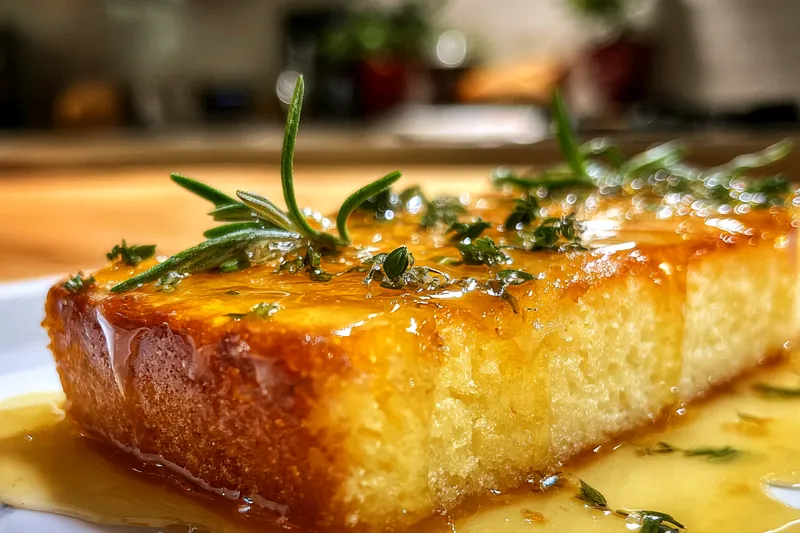
Cooking Process
The cooking process for this Moist Vanilla Sponge Cake starts with creaming the butter and sugar, where you beat them together until light and fluffy. This step is crucial as it incorporates air, which helps the cake rise during baking. After adding the eggs and vanilla, the mixture should be smooth and uniform. Carefully combining the wet and dry ingredients ensures a tender cake without overmixing.
Once the batter is prepared, it is poured into the prepared cake pan and baked in a preheated oven. The cake should rise beautifully and develop a golden-brown top. After baking, allow the cake to cool in the pan briefly before transferring it to a wire rack. This cooling period is essential for setting the cake’s structure and flavor before serving.
Key Technique
One of the most important techniques in baking a sponge cake is the creaming method. This method involves beating butter and sugar together until light and fluffy, which creates air pockets that expand during baking. Ensuring your ingredients are at room temperature helps to achieve this airy texture. The proper mixing of wet and dry ingredients without overmixing preserves the delicate crumb structure, essential for a successful sponge cake.
Moist Vanilla Sponge Cake
📋 Ingredients
Main Ingredients
- 1 cup itemnote
Sauce/Seasoning
- 1 ½ cups all-purpose flour
- 1 cup granulated sugar
- ½ cup unsalted butter, softened
- 3 large eggs
- ½ cup milk
- 2 teaspoons vanilla extract
- 1 ½ teaspoons baking powder
- ½ teaspoon salt
- 1 tablespoon lemon zest (optional)
- Powdered sugar for dusting
Instructions
Preheat the Oven
Start by preheating your oven to 350°F (175°C). Grease and flour a 9-inch round cake pan to ensure easy release after baking.
Cream the Butter and Sugar
In a large mixing bowl, cream together the softened butter and granulated sugar until the mixture is light and fluffy. This process incorporates air, which helps the cake rise.
Add Eggs and Vanilla
Add the eggs one at a time, beating well after each addition. Mix in the vanilla extract and combine thoroughly, ensuring the mixture is smooth.
Combine Dry Ingredients
In another bowl, whisk together the all-purpose flour, baking powder, and salt. If using, fold in the lemon zest for an extra layer of flavor.
Mix Wet and Dry Ingredients
Gradually add the dry ingredients to the wet mixture, alternating with milk. Begin and end with the flour mixture, mixing just until combined.
Pour into Cake Pan
Pour the batter into the prepared cake pan and spread it evenly. Tap the pan gently on the counter to remove any air bubbles.
Bake the Cake
Bake in the preheated oven for 25-30 minutes, or until a toothpick inserted into the center comes out clean. Keep an eye on the cake to avoid overbaking.
Cool the Cake
Once baked, remove the cake from the oven and let it cool in the pan for 10 minutes. Then transfer it to a wire rack to cool completely.
Serve and Enjoy
Dust the cooled cake with powdered sugar before serving. Pair it with fresh berries or whipped cream for an extra special treat.
Recipe Notes & Tips
Storage Tips
To maintain the freshness of your Moist Vanilla Sponge Cake, store it in an airtight container at room temperature. If you live in a humid area, consider refrigerating it to prevent spoilage. The cake can last for 4-5 days, ensuring you have enough time to enjoy each slice. For longer storage, freeze the cake as instructed.
Serving Ideas
This versatile cake can be served plain or dressed up for special occasions. Top it with fresh whipped cream and berries for a delightful summer dessert. Alternatively, drizzle it with chocolate sauce for a decadent treat. For a more elegant touch, layer it with pastry cream and fresh fruit, turning it into a beautiful trifle.
Variations
Feel free to customize this vanilla sponge cake by adding different flavors to the batter. Consider incorporating cocoa powder for a chocolate version or substituting almond extract for vanilla. You could also add poppy seeds or nuts for added texture. Each variation brings a unique twist to this classic dessert.