Roasted Seasonal Vegetables
Roasted Seasonal Vegetables are a vibrant and healthy dish that celebrates the best of what nature has to offer. This recipe highlights seasonal produce, making it not only visually appealing but also packed with flavor and nutrition. Perfect for any occasion, these vegetables can be served as a side or even as a main dish when paired with grains or proteins. The roasting technique brings out the natural sweetness and enhances the textures of the vegetables, making them utterly delicious. Enjoy this versatile dish year-round, adapting it to whatever produce is in season.

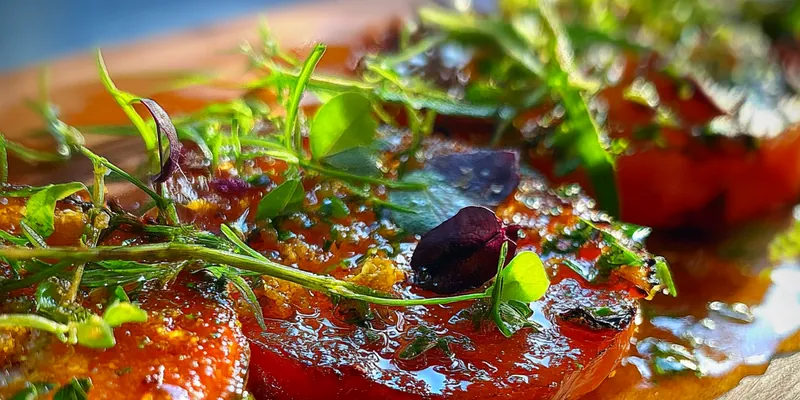
Why This Roasted Seasonal Vegetables Works
The key to achieving perfectly roasted vegetables lies in the technique of cooking at a high temperature. This allows the natural sugars in the vegetables to caramelize, resulting in a rich, sweet flavor. Uniformly cutting the vegetables ensures they cook evenly, while the right amount of oil helps them crisp up nicely. The combination of garlic and herbs further elevates the dish, infusing it with aromatic flavors that complement the natural taste of the vegetables. Overall, this method maximizes both taste and texture.
What makes this recipe truly special is its adaptability to whatever is in season. By utilizing fresh, local vegetables, you not only support your community but also enhance the flavor of your dish. Seasonal produce is often more nutrient-dense and flavorful, providing a wholesome experience in each bite. Additionally, the simplicity of roasting allows the natural qualities of the vegetables to shine through, making it a go-to method in any home cook's repertoire. This dish not only nourishes the body but also celebrates the joy of cooking with fresh ingredients.
💡 Professional Tip
When roasting vegetables, it's essential to keep them in a single layer on the baking sheet. This prevents them from steaming and ensures they develop a beautiful caramelization. Another tip is to experiment with different herbs and spices to personalize the flavor profile of the dish. Don't hesitate to use a mix of seasonal vegetables to create a colorful medley that is visually appealing and delicious. Lastly, allowing the roasted vegetables to cool for a few minutes before serving enhances their flavor further.
Frequently Asked Questions
Yes, you can prepare roasted seasonal vegetables ahead of time. Simply roast them according to the recipe, let them cool completely, and store them in an airtight container in the refrigerator. They can last for up to three days when properly stored. Just reheat them in the oven or stovetop before serving to maintain their texture and flavor. This makes it a convenient option for meal prep or for hosting gatherings.
If you don't have certain vegetables on hand, feel free to substitute with whatever is available in your pantry. For instance, root vegetables like sweet potatoes or beets can replace carrots, while asparagus or green beans can be swapped for broccoli. Additionally, you can mix in seasonal herbs like rosemary or basil to give the dish a different flavor profile. The great thing about this recipe is its versatility; you can customize it based on your preferences and what you have available.
The vegetables are done roasting when they are fork-tender and have developed a golden-brown color on the edges. You can test for doneness by piercing the largest pieces with a fork; if it goes in easily, they are ready. It's also important to stir the vegetables halfway through the roasting process to ensure even cooking. If you prefer a more charred flavor, you can leave them in the oven for a few extra minutes, but be cautious not to overcook them.
While you can freeze roasted vegetables, keep in mind that their texture may change upon reheating. To freeze, allow the roasted vegetables to cool completely, then place them in a single layer on a baking sheet and freeze until solid. Once frozen, transfer them to an airtight container or freezer bag. They can be stored in the freezer for up to three months. When ready to eat, simply reheat in the oven until warmed through.
Roasted Seasonal Vegetables pair wonderfully with a variety of dishes. They make an excellent side for grilled meats, fish, or plant-based proteins. You can also mix them into salads, grain bowls, or pasta for a hearty meal. For a complete dinner, serve them alongside quinoa or couscous, topped with a light dressing. Their versatility means they can complement almost any cuisine, making them a go-to option for any meal.
Roasted seasonal vegetables can be stored in the refrigerator for up to three days. Be sure to keep them in an airtight container to maintain freshness. If you want to enjoy them later, you can freeze them, although the texture may change slightly once reheated. For best results, consume the leftovers within a few days for optimal flavor and texture. Always check for signs of spoilage before consuming any leftovers.
You can easily adjust the spice level of roasted seasonal vegetables by adding more or less seasoning according to your taste. For a kick of heat, consider adding red pepper flakes or a dash of cayenne pepper. If you prefer a milder flavor, simply reduce the amount of garlic or omit the spices altogether. This dish is highly adaptable, allowing you to customize the flavors to suit your preferences without any hassle.
The best way to reheat roasted seasonal vegetables is in the oven to help retain their original texture and flavor. Preheat your oven to 350°F (175°C), spread the vegetables on a baking sheet, and heat for about 10-15 minutes until warmed through. You can also reheat them in a skillet over medium heat, stirring occasionally. Microwaving is an option as well, but it may lead to sogginess, so it's best to avoid that if possible.
Recipe Troubleshooting Guide
Too Dry
Problem: If your roasted vegetables turn out too dry, it may be due to insufficient oil or being overcooked.
Solution: To avoid this issue in the future, make sure to coat the vegetables evenly with olive oil, and keep an eye on the cooking time to prevent over-roasting.
Not Crispy
Problem: Vegetables can become soggy if overcrowded on the baking sheet or if they are not cooked at a high enough temperature.
Solution: To achieve a crispy finish, ensure you roast them in a single layer and use a high oven temperature. Stirring them halfway through cooking can also help.
Overcooked
Problem: Overcooked vegetables lose their vibrant color and become mushy in texture.
Prevention: To prevent overcooking, set a timer and check for doneness a few minutes earlier than the suggested cooking time, adjusting as necessary.
Undercooked
Problem: Undercooked vegetables can remain hard and lacking in flavor.
Recovery: If you find they are undercooked, simply return them to the oven and roast for an additional 5-10 minutes, checking for tenderness.
Burnt
Problem: Burnt vegetables can occur if the oven temperature is too high or if they are left in the oven for too long.
Prevention: To avoid burning, make sure to monitor the cooking process closely and lower the temperature slightly if necessary. Stirring the vegetables can also help them cook more evenly.
Flavor Balance
Too Sweet: If your vegetables taste too sweet, it could be attributed to the natural sugars caramelizing excessively.
Too Salty: If they are too salty, consider reducing the amount of salt next time or balancing it with a squeeze of lemon juice.
Bland: For bland vegetables, try adding more herbs, spices, or a drizzle of balsamic vinegar to enhance the flavor.
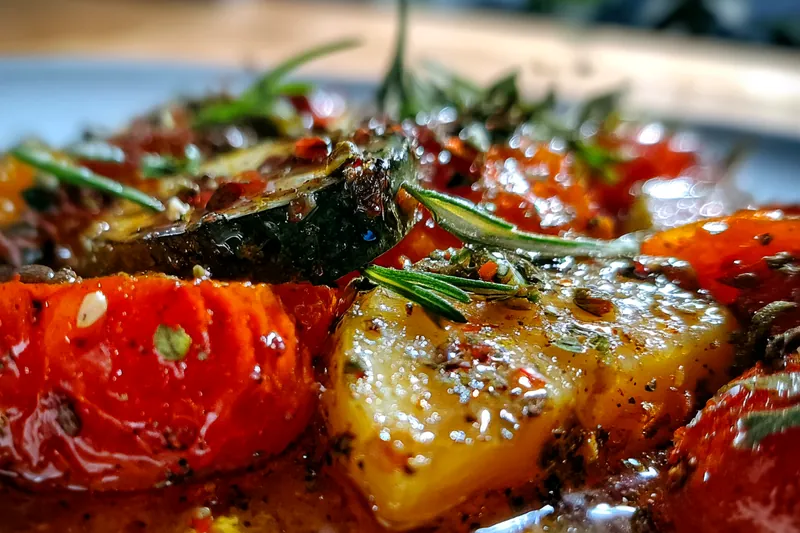
Key Ingredients
The main ingredients for roasted seasonal vegetables include a variety of colorful vegetables that are in season. Broccoli, bell peppers, carrots, zucchini, cherry tomatoes, and red onion not only provide a vibrant palette but also a range of nutrients. Each vegetable brings a unique flavor and texture, making the dish exciting and satisfying. The freshness of seasonal produce enhances the overall taste of the dish, making each bite a delightful experience. When selecting vegetables, aim for organic and locally sourced options whenever possible.
Seasonings play a crucial role in elevating the flavors of the vegetables. Olive oil is essential for roasting, as it not only helps to crisp the vegetables but also adds richness to the dish. A blend of garlic powder, thyme, and oregano complements the natural flavors without overpowering them. Adjusting the seasonings to suit your taste can transform this dish from simple to extraordinary. Don't hesitate to experiment with additional spices or herbs to create your signature roasted vegetable recipe.
Essential Ingredient Notes
- Main Ingredient: Broccoli is not only a nutritious choice but also a versatile vegetable that holds up well during roasting. Its florets become tender while the stems add a satisfying crunch. This makes it an excellent addition to the medley of roasted seasonal vegetables. Pairing broccoli with other vibrant vegetables enhances both flavor and nutrition.
- Second Key Ingredient: Bell peppers bring a delightful sweetness and a pop of color to your dish. They roast beautifully, becoming tender while retaining their juicy texture. Using a mix of colors like red, yellow, and green creates an appealing visual contrast. This variety not only looks great but also offers a range of vitamins and antioxidants.
- Essential Seasoning: Olive oil is essential for achieving that perfect roasted texture. It coats the vegetables, helping them crisp up while adding a rich flavor. Choosing high-quality extra virgin olive oil can significantly enhance the overall taste of the dish. For a twist, consider infusing your olive oil with herbs or garlic for added depth.
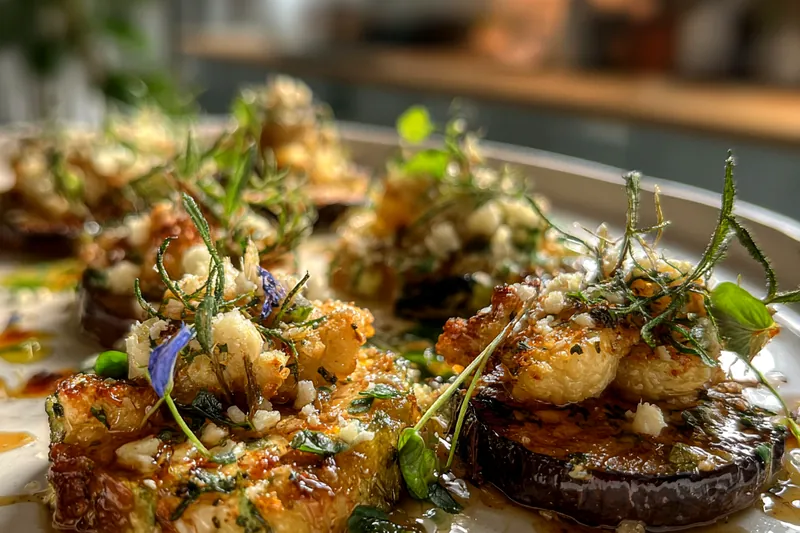
Cooking Process
The cooking process for roasted seasonal vegetables is simple yet rewarding. Begin by preheating the oven, which is crucial for achieving that desired caramelization. While the oven heats up, prepare and season your vegetables, ensuring they are well-coated with olive oil and seasonings. This step is vital as it helps to lock in moisture while enhancing flavor. Once ready, arrange the vegetables on a baking sheet in a single layer for optimal roasting.
As they roast, keep an eye on the vegetables, stirring them halfway through to promote even cooking. The aroma that fills the kitchen is a sure sign that they are transforming into a delicious dish. Once they reach the perfect tenderness and golden-brown edges, remove them from the oven and allow them to cool slightly. A final garnish of fresh parsley adds a touch of brightness and color, making your dish not only tasty but visually appealing.
Key Technique
The key technique when roasting vegetables is managing the temperature and ensuring even distribution on the baking sheet. High heat is essential for caramelization, while spacing out the vegetables allows for proper air circulation. This prevents steaming and promotes a delightful crispiness. Additionally, using high-quality olive oil and seasoning at the right ratios enhances the flavor and texture. Mastering this technique will elevate your roasted vegetable game to professional levels.
Roasted Seasonal Vegetables
📋 Ingredients
Main Ingredients
- 3 tablespoons olive oilEssential for roasting and flavor
- 2 teaspoons garlic powderAdds depth and richness
- 1 teaspoon dried thymeEnhances flavor profile
- 1 teaspoon dried oreganoAdds a herbaceous note
Sauce/Seasoning
- 2 cups broccoli floretsNutritious and crunchy
- 2 cups bell peppers, dicedSweet and colorful
- 1 cup carrots, slicedProvides sweetness and crunch
- 1 cup zucchini, dicedLight and tender
- 1 cup cherry tomatoes, halvedAdds juiciness and color
- 1 medium red onion, cut into wedgesSweet and flavorful
Instructions
Preheat the Oven
Start by preheating your oven to 425°F (220°C). This high temperature helps to achieve that perfect roasted flavor and caramelization of the vegetables.
Prepare the Vegetables
Wash and chop all the vegetables into uniform sizes to ensure even cooking. Aim for bite-sized pieces for a perfect balance of texture and flavor.
Season the Vegetables
In a large mixing bowl, combine the chopped vegetables. Drizzle with olive oil, then sprinkle garlic powder, thyme, oregano, salt, and pepper. Toss everything together until evenly coated.
Arrange on Baking Sheet
Spread the seasoned vegetables out in a single layer on a large baking sheet. Make sure not to overcrowd the pan, as this can lead to steaming rather than roasting.
Roast the Vegetables
Place the baking sheet in the preheated oven. Roast for about 25-30 minutes, stirring halfway through to ensure even cooking and browning.
Check for Doneness
The vegetables should be tender and slightly browned when done. A fork should easily pierce through the largest pieces.
Garnish and Serve
Remove from the oven and let cool slightly. Garnish with fresh parsley before serving for an added pop of color and flavor.
Enjoy Your Dish
Serve the roasted seasonal vegetables as a delightful side dish or mix them into your favorite grain salad for a nutritious meal.
Recipe Notes & Tips
Storage Tips
Store leftover roasted vegetables in an airtight container in the refrigerator for up to three days. Reheat in the oven or skillet to maintain their texture. If freezing, lay them flat in a single layer until solid, then transfer to a freezer bag. This method helps preserve their flavor and prevents clumping.
Serving Ideas
Roasted seasonal vegetables are incredibly versatile and can be served alongside a variety of dishes. They pair wonderfully with grilled meats, fish, or can be tossed into salads or grain bowls. For a hearty meal, combine them with quinoa or serve them over pasta with a light sauce. Their colorful presentation makes them a perfect centerpiece for any dinner table.
Variations
Feel free to mix and match vegetables based on what's in season or your personal preferences. You can also experiment with different herbs and spices for unique flavor combinations. Adding a splash of balsamic vinegar or lemon juice before serving can elevate the dish further. Try incorporating nuts or seeds for added crunch and nutrients.