Spinach Sautéed with Garlic & Olive Oil
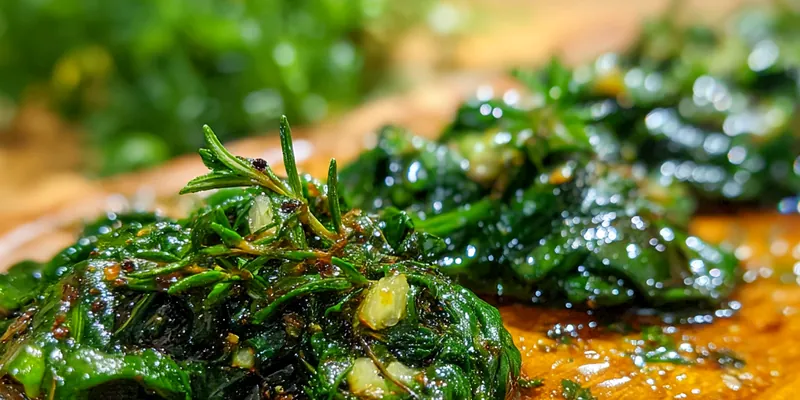
Spinach Sautéed with Garlic & Olive Oil is a simple yet flavorful dish that highlights the natural taste of fresh spinach. This recipe is perfect for a quick weeknight side or a healthy addition to any meal. The combination of sautéed garlic and olive oil enhances the spinach's earthiness, making it a delightful experience for your taste buds. Whether served alongside grilled chicken or as part of a vegetarian feast, this dish is sure to impress. With its vibrant green color and aromatic scent, it's a beautiful dish to share with friends and family.

Why This Spinach Sautéed with Garlic & Olive Oil Works
The technique of sautéing spinach in olive oil with garlic is not only straightforward but also highlights the natural flavors of the ingredients. The high heat allows the spinach to cook quickly while retaining its vibrant color and nutrients. Garlic infuses the oil with its aromatic goodness, which enhances the overall flavor profile of the dish. The addition of red pepper flakes adds a subtle kick, balancing the richness of the olive oil. This method ensures that the spinach remains tender yet slightly crisp, making for a delightful texture.
What sets this recipe apart is its simplicity and the use of quality ingredients. Fresh spinach, high-quality olive oil, and a touch of seasoning create a dish that’s not only quick to prepare but also packed with nutrients. Spinach is a superfood, rich in vitamins A, C, and K, as well as iron and antioxidants. The combination of these elements results in a dish that is both delicious and healthy, making it an excellent choice for any meal. Plus, it pairs well with a variety of main courses, making it a versatile side dish.
💡 Professional Tip
For the best results, always use fresh spinach rather than frozen. Fresh spinach has a better texture and flavor that shines through in this dish. Additionally, don’t overcrowd the pan when sautéing; this allows the spinach to cook evenly without steaming. Finally, taste and adjust the seasoning at the end, as the flavors will develop as the spinach cooks. A squeeze of fresh lemon juice can elevate the dish, adding a refreshing brightness.
Frequently Asked Questions
Yes, you can prepare sautéed spinach ahead of time. However, for the best flavor and texture, it's recommended to enjoy it fresh. If you need to make it in advance, consider reheating it gently on the stove to prevent overcooking. Keep in mind that reheated spinach may lose some of its vibrant color and crispness, so it’s best to serve it soon after cooking. If storing, place it in an airtight container in the refrigerator for up to 3 days.
If you don't have spinach, you can substitute it with other leafy greens like kale, Swiss chard, or collard greens. Each of these greens will provide a different flavor and texture, so adjust the cooking time accordingly. Additionally, if you're not a fan of garlic, you can use shallots or leeks for a milder taste. For a nut-free option, skip the pine nuts or replace them with sunflower seeds for added crunch without allergens. Experimenting with different greens and seasonings can create a unique twist on the dish.
The spinach is done when it has wilted down significantly and is bright green but still has some structure. Avoid overcooking it; it should take just 3-5 minutes of sautéing. The garlic should be fragrant but not browned, as burnt garlic can impart a bitter taste. Taste a small bite to check for seasoning and doneness; the texture should be tender yet slightly crisp. If it’s cooked to your liking, remove it from heat immediately.
Freezing sautéed spinach is possible, but it may alter the texture upon thawing. If you plan to freeze it, let it cool completely and then store it in an airtight container or freezer bag. Be sure to remove as much air as possible to prevent freezer burn. Sautéed spinach can be frozen for up to 3 months. When you're ready to use it, thaw it in the refrigerator overnight and reheat gently on the stove to restore some of its original texture.
Spinach Sautéed with Garlic & Olive Oil pairs beautifully with grilled chicken, fish, or steak, providing a fresh contrast to richer proteins. It also complements pasta dishes, risottos, or grain bowls, adding a nutritious green element. For a vegetarian meal, serve it alongside quinoa or couscous for a hearty, satisfying plate. You can also use it as a filling for omelets or stuffed into wraps for a delicious lunch option. The versatility of this dish makes it a great addition to any meal.
Sautéed spinach can be stored in the refrigerator for up to 3 days in an airtight container. When storing, allow it to cool to room temperature before sealing to avoid condensation, which can make it soggy. If you want to keep it longer, consider freezing it, but be aware that the texture may change. Always check for any off odors or signs of spoilage before consuming leftovers. Reheat gently to enjoy the flavors once again.
To adjust the spice level, you can easily modify the amount of red pepper flakes used in the recipe. If you prefer a milder dish, start with a pinch and increase to your taste. For those who enjoy more heat, consider adding a dash of hot sauce or a sprinkle of cayenne pepper. Remember that the heat can intensify during cooking, so taste as you go to achieve your desired level of spiciness. Additionally, serving it with fresh lemon can help balance out the heat.
The best way to reheat sautéed spinach is on the stovetop over low heat. Add a splash of olive oil or a little water to help retain moisture and prevent it from drying out. Stir frequently until heated through, which should only take a couple of minutes. Avoid using the microwave, as it can make the spinach wilt and lose its texture. For best results, reheat just the portion you plan to eat to maintain freshness.
Recipe Troubleshooting Guide
Too Dry
Problem: If your sautéed spinach turns out too dry, it might be due to not enough oil or overheating the spinach. Spinach needs a bit of fat to bring out its flavors and keep it moist.
Solution: To remedy this, you can add a bit more olive oil during cooking or while reheating. A splash of vegetable broth or water can also help moisten the dish without compromising flavor. Always ensure the pan is not too hot, as this can lead to quick evaporation and dryness.
Not Crispy
Problem: If your sautéed spinach is not crispy, it may have been overcrowded in the pan or cooked too long, turning it mushy.
Solution: To avoid this, cook in smaller batches, allowing the spinach to have enough space to sauté properly. If you find it has become too soft, try sautéing it briefly on high heat to restore some texture, being careful not to overdo it.
Overcooked
Problem: Overcooked spinach can become mushy and lose its bright green color, which is not desirable.
Prevention: To prevent this, keep a close eye on the cooking time and remove the spinach from heat as soon as it wilts. If you've accidentally overcooked it, you can try adding a splash of lemon juice to brighten the flavor back up, although the texture will remain compromised.
Undercooked
Problem: Undercooked spinach may have a raw taste and a tough texture, which is not enjoyable.
Recovery: If you find your spinach is undercooked, simply return it to the skillet and sauté it for a few more minutes until it’s fully cooked. Make sure to stir frequently to ensure even cooking. Taste as you go to achieve the perfect tenderness.
Burnt
Problem: Burnt garlic can easily ruin the dish, imparting a bitter flavor that overshadows the spinach.
Prevention: To prevent burning, always sauté garlic over medium heat and watch it closely. If it burns, it's best to start over with fresh oil and garlic, as there's no way to salvage burnt flavors. Adjust the cooking temperature as needed to prevent this from happening.
Flavor Balance
Too Sweet: If the dish tastes too sweet, it may be due to overcooked spinach or insufficient seasoning.
Too Salty: For overly salty spinach, consider adding a squeeze of lemon juice or a splash of vinegar to balance the flavors.
Bland: If your sautéed spinach tastes bland, try enhancing it with more seasoning, such as salt, pepper, or a pinch of red pepper flakes for a kick.
Key Ingredients
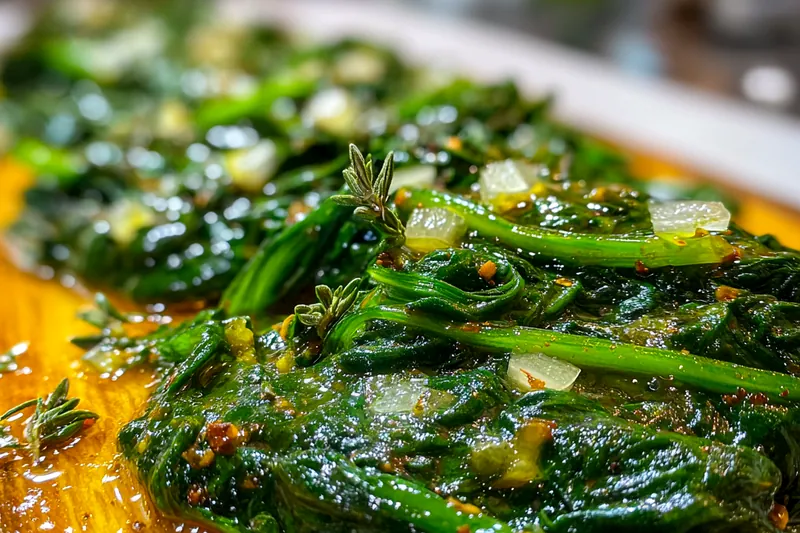
The main ingredient in this dish is fresh spinach, which is not only packed with nutrients but also adds a beautiful green color to your plate. Spinach is rich in vitamins A, C, and K, as well as iron and calcium, making it a powerhouse of nutrition. When selecting spinach, look for vibrant, crisp leaves that show no signs of wilting. This recipe works best when using fresh spinach, as it retains its texture and flavor better than frozen options.
Olive oil is another key ingredient, providing the necessary fat for sautéing while infusing the dish with rich flavor. Opt for high-quality extra virgin olive oil for the best taste and health benefits. Garlic, freshly minced, adds depth and aroma, enhancing the overall experience of the dish. A pinch of red pepper flakes introduces a hint of heat, which can be adjusted according to your preference. Lemon juice at the end brightens up the flavors, making this dish even more refreshing.
Essential Ingredient Notes
- Main Ingredient: Fresh spinach is the star of this dish, providing a wealth of nutrients and vibrant color. It's essential to wash and dry it thoroughly to prevent excess moisture during cooking. You can use baby spinach for a more tender texture or mature leaves for a heartier bite. The cooking time remains the same, but the flavor may slightly vary depending on the type of spinach used.
- Second Key Ingredient: Olive oil not only enhances flavor but also aids in the absorption of vitamins from the spinach. Using extra virgin olive oil is recommended for its superior taste and health benefits. The oil should be heated until shimmering but not smoking to avoid bitterness. If you prefer a different oil, avocado oil can be a great alternative, providing a similar flavor profile.
- Essential Seasoning: Garlic is a crucial seasoning that adds depth and richness to the sautéed spinach. Freshly minced garlic provides the best flavor, but garlic powder can be a substitute in a pinch. Be cautious with the cooking time to avoid burning, which can lead to a bitter taste. Adjust the amount of garlic based on your personal preference; more garlic will create a stronger flavor profile.
Cooking Process
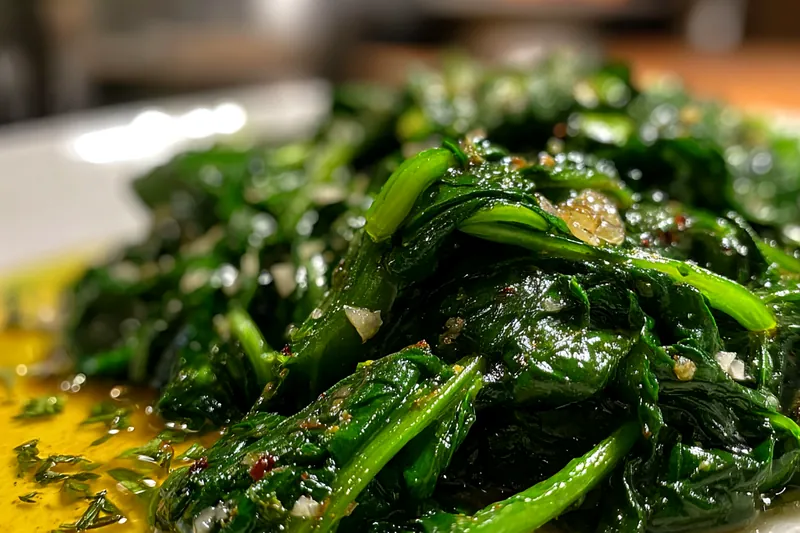
To begin, prepare the spinach by washing it thoroughly and allowing it to drain. In a large skillet, heat the olive oil over medium heat until it's shimmering, then add the minced garlic, stirring until fragrant. Once the garlic is aromatic, gradually add the spinach, stirring to coat it evenly in the oil. The spinach will quickly wilt, so keep the heat steady to avoid sogginess while ensuring it cooks thoroughly.
After about 3-5 minutes, when the spinach is bright green and tender, remove it from heat and stir in the lemon juice. This final touch will enhance the flavors and add a refreshing note to the dish. Optionally, sprinkle grated Parmesan cheese and pine nuts for added flavor and texture before serving. The sautéed spinach can be enjoyed warm or at room temperature, making it a versatile addition to any meal.
Key Technique
The key to perfectly sautéed spinach lies in controlling the heat and timing. Cooking at medium heat allows the spinach to wilt without becoming mushy, ensuring it retains its vibrant color and nutrition. Tossing the spinach frequently ensures even cooking and prevents it from sticking to the pan. Adding the lemon juice at the end brightens the dish, enhancing the overall flavor profile. Mastering this technique will make your sautéed spinach a standout side dish.
Spinach Sautéed with Garlic & Olive Oil
📋 Ingredients
Main Ingredients
- 1/4 teaspoon red pepper flakesadds a subtle kick
- Salt to tasteseason to preference
- Freshly ground black pepper to tasteenhances flavor
- 1 tablespoon lemon juiceadds brightness
Sauce/Seasoning
- 1 pound fresh spinach, washed and trimmedvibrant and nutrient-rich
- 3 tablespoons olive oilrich in healthy fats
- 4 cloves garlic, mincedadds depth and aroma
- 1/4 cup grated Parmesan cheese (optional)for added flavor
- 1/4 cup chopped pine nuts (optional)adds crunch and richness
Instructions
Prepare the Spinach
Thoroughly wash the spinach under cold water to remove any dirt. Drain it well and set aside to ensure it’s ready for sautéing.
Heat the Olive Oil
In a large skillet, heat the olive oil over medium heat until it shimmers. This step is crucial for infusing the oil with flavor.
Sauté the Garlic
Add the minced garlic to the hot oil and sauté for about 30 seconds until fragrant. Be careful not to let it burn, as burnt garlic can taste bitter.
Add Spinach
Slowly add the washed spinach to the skillet. It may seem like a lot at first, but spinach wilts down significantly.
Season the Spinach
Sprinkle the red pepper flakes, salt, and black pepper over the spinach as it cooks. Stir frequently to ensure even cooking.
Cook Until Wilted
Continue to sauté the spinach for about 3-5 minutes or until it is wilted but still vibrant green. Overcooking can lead to a mushy texture.
Add Lemon Juice
Remove the skillet from heat and stir in the lemon juice for a bright, fresh flavor. This will enhance the overall taste of the dish.
Serve Immediately
Transfer the sautéed spinach to a serving dish. Optionally, sprinkle with grated Parmesan cheese and pine nuts before serving.
Recipe Notes & Tips
Storage Tips
Store any leftovers in an airtight container in the refrigerator for up to 3 days. Make sure to allow it to cool completely before sealing to prevent condensation. Reheat gently on the stove to maintain quality. Avoid freezing if possible, as the texture may suffer.
Serving Ideas
This sautéed spinach can be served alongside grilled meats or fish for a nutritious side. It's also delicious mixed into pasta or grain bowls. For a light lunch, serve it as a filling for wraps or sandwiches. Pair it with quinoa or couscous for a complete meal that is both satisfying and healthy.
Variations
Feel free to experiment with different greens, such as Swiss chard or kale, for a unique twist. You can also add ingredients like cherry tomatoes or bell peppers for extra color and flavor. For a protein boost, consider incorporating chickpeas or white beans. Each variation can add a new dimension to this simple dish.