Tabbouleh
Tabbouleh is a refreshing and nutritious salad that originates from the Middle East, renowned for its vibrant flavors and colorful presentation. It combines fresh parsley, mint, tomatoes, and bulgur wheat dressed in olive oil and lemon juice, creating a symphony of tastes that delight the palate. This dish is not only easy to prepare but also packed with vitamins, making it a healthy choice for any meal. Perfect for warm weather gatherings or as a side at barbecues, Tabbouleh is a dish loved by many for its fresh ingredients and bright flavors.

Why This Tabbouleh Works
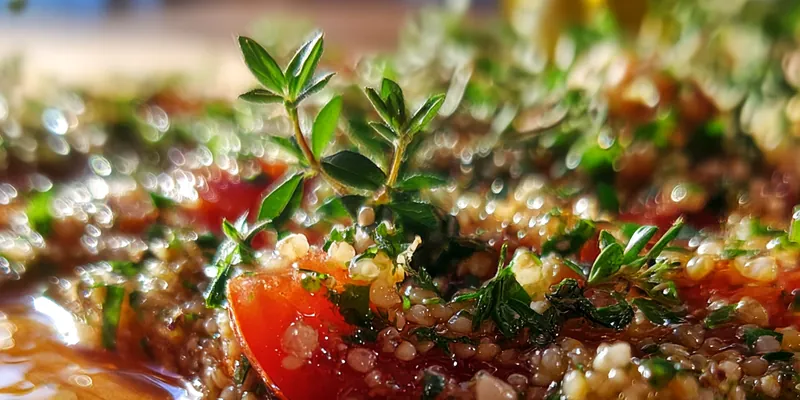
The success of Tabbouleh lies in its technique and balance of flavors. The key to a great Tabbouleh is the quality and freshness of the herbs. Chopping the parsley and mint finely allows them to release their essential oils, enhancing the overall flavor of the dish. Using freshly squeezed lemon juice and high-quality olive oil adds brightness and richness that elevate the salad to new heights. The soaking process of the bulgur absorbs the flavors around it, making it a flavorful base for the salad.
What makes this Tabbouleh special is its vibrant colors and textures. Each ingredient plays a vital role; the green of the herbs, the red of the tomatoes, and the earthy tones of the bulgur create a visually appealing dish. Additionally, the crunch of cucumbers and the bite of green onions add depth to the texture. This salad is versatile, allowing for personal adjustments while maintaining its authentic essence, making it a favorite for many.
💡 Professional Tip
For the best Tabbouleh, always use fresh herbs and vegetables. Avoid using dried herbs, as they lack the necessary flavors and aromas. If possible, make your Tabbouleh a few hours ahead of time to allow the flavors to develop fully. Taste the mixture before serving and adjust the seasoning to your preference. Remember, fresh lemon juice should be added right before serving to maintain its bright flavor.
Frequently Asked Questions
Yes, Tabbouleh can be made ahead of time, ideally a few hours or even a day in advance. This allows the flavors to meld and deepen, making for a tastier dish. However, it's best to add the dressing just before serving to keep the vegetables crisp and fresh. Store it in the refrigerator in an airtight container to maintain its quality.
If you don’t have bulgur, quinoa or couscous can be excellent alternatives, providing a similar texture. For those with dietary restrictions, using cauliflower rice can create a low-carb version of Tabbouleh while retaining the fresh flavors. Additionally, you can customize the herbs; dill or cilantro can be used instead of parsley if desired. It's all about creating a salad that fits your taste.
The Tabbouleh is ready when all ingredients are well mixed and the flavors have melded together. The bulgur should be tender but not mushy, providing a slight bite. Taste the salad and adjust the seasoning as necessary, ensuring a balance of acidity from the lemon juice and richness from the olive oil. Allowing it to rest for a short period will also enhance the flavor profile.
Freezing Tabbouleh is not recommended as the texture of the fresh vegetables and herbs can become mushy upon thawing. However, you can freeze the bulgur separately and prepare the salad fresh when you are ready to eat. If you have leftover Tabbouleh, it's best to store it in the refrigerator and consume it within a few days.
Tabbouleh is a versatile salad that pairs well with grilled meats such as chicken, lamb, or fish. It also complements other Mediterranean dishes like hummus, baba ghanoush, or falafel. For a lighter meal, serve it alongside pita bread and olives. The refreshing nature of Tabbouleh makes it an excellent choice for summer barbecues or picnics.
When stored properly in an airtight container, Tabbouleh can last in the refrigerator for about 3-4 days. However, it's best enjoyed fresh as the herbs can wilt and lose their vibrant flavor over time. If you notice any signs of spoilage, such as an off smell or sliminess, it’s best to discard it. Always check before consuming leftovers.
You can adjust the spice level of Tabbouleh by adding more ground cumin or introducing mild spices like paprika. For heat, consider adding a pinch of red pepper flakes or diced jalapeños. However, it's essential to balance the spices with the fresh herbs and lemon juice to maintain the salad's integrity. Taste as you go to find the right heat level for your preference.
Although Tabbouleh is best served cold or at room temperature, if you wish to warm it slightly, place it in a microwave-safe dish and heat it for a few seconds. Be cautious not to overheat as this can wilt the herbs and affect the texture. Alternatively, you can let it sit at room temperature for a little while before serving to take the chill off without cooking it.
Recipe Troubleshooting Guide
Too Dry
Problem: If your Tabbouleh turns out too dry, it may be due to insufficient dressing or not enough moisture from the vegetables.
Solution: To remedy this, add a little more olive oil and lemon juice to moisten the salad. Toss it well to ensure all ingredients are evenly coated. Additionally, consider adding diced tomatoes or cucumbers to increase moisture.
Not Crispy
Problem: A Tabbouleh that lacks crispness may have over-soaked bulgur or wilted herbs.
Solution: Ensure that the bulgur is soaked just until tender, and drain any excess water thoroughly. Using fresh herbs and vegetables is crucial; avoid letting them sit too long after chopping to preserve their crunch.
Overcooked
Problem: Overcooked bulgur can lead to a mushy Tabbouleh, which detracts from the dish's texture.
Prevention: If this happens, try adding more diced vegetables to absorb some moisture and enhance the texture. You can also serve it immediately rather than letting it sit, which will help minimize mushiness.
Undercooked
Problem: Undercooked bulgur will have a hard texture, making the salad less enjoyable.
Recovery: If you find that the bulgur is undercooked, add a small amount of warm water and let it sit covered for a few more minutes. This should help it soften without overcooking.
Burnt
Problem: Burnt flavors can occur if the bulgur was cooked improperly or exposed to high heat.
Prevention: If this happens, discard the burnt parts and prepare a new batch of bulgur. Ensure to soak it properly in cold water to avoid cooking it directly, which prevents burning.
Flavor Balance
Too Sweet: If your Tabbouleh tastes too sweet, it might be due to too many tomatoes or a lack of acidity.
Too Salty: An overly salty Tabbouleh can result from too much salt in the dressing or overly salty ingredients.
Bland: If the salad is bland, increase the seasoning, particularly the salt, pepper, and lemon juice, to enhance flavor.
Key Ingredients
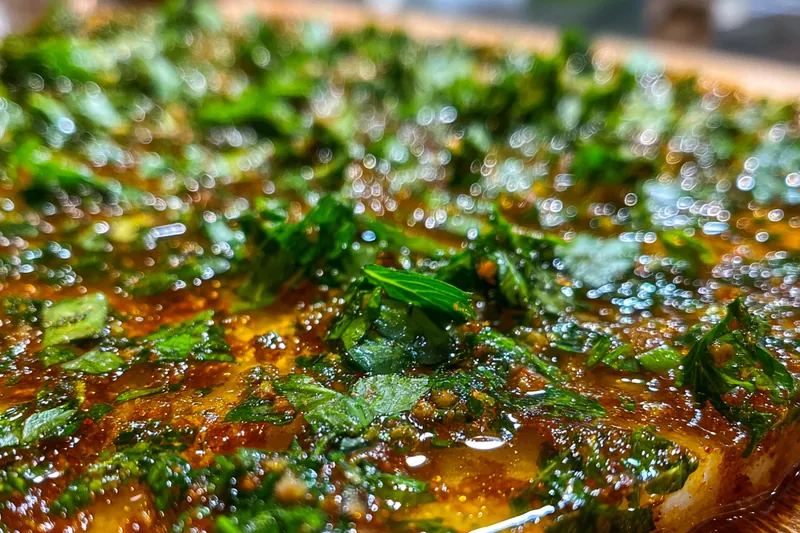
The main ingredients of Tabbouleh are bulgur wheat, fresh parsley, mint, tomatoes, and cucumbers. Bulgur serves as the base and absorbs flavors from the dressing, while parsley and mint contribute freshness and aroma. The tomatoes add juiciness and sweetness, creating a pleasant contrast to the crunch of cucumbers. Each ingredient plays a key role in achieving the salad's signature taste and texture.
Seasonings in Tabbouleh are simple yet impactful. Fresh lemon juice brings acidity to the dish, balancing the richness of the olive oil. Olive oil adds a smooth texture, enhancing the overall mouthfeel. Salt and pepper are essential for flavor enhancement, while ground cumin can introduce warmth and depth. Adjusting these seasonings can help personalize the salad to individual preferences.
Essential Ingredient Notes
- Main Ingredient: Bulgur wheat is the cornerstone of Tabbouleh. It’s a whole grain that’s not only nutritious but also absorbs flavors beautifully. Choose fine bulgur for a traditional texture, which should be soaked rather than cooked. This method retains its nutty flavor and prevents it from becoming mushy.
- Second Key Ingredient: Fresh parsley is crucial for an authentic Tabbouleh. It provides a vibrant green color and a fresh herbal taste that defines the salad. Use flat-leaf parsley for the best flavor, and chop it finely to maximize its aroma. The amount of parsley used can significantly impact the freshness of the dish.
- Essential Seasoning: Fresh lemon juice is an essential component of Tabbouleh that brightens the dish. It adds acidity, balancing the flavors of the olive oil and vegetables. Always opt for freshly squeezed lemon juice for optimal flavor. Adjust the amount based on your taste preference for acidity.
Cooking Process
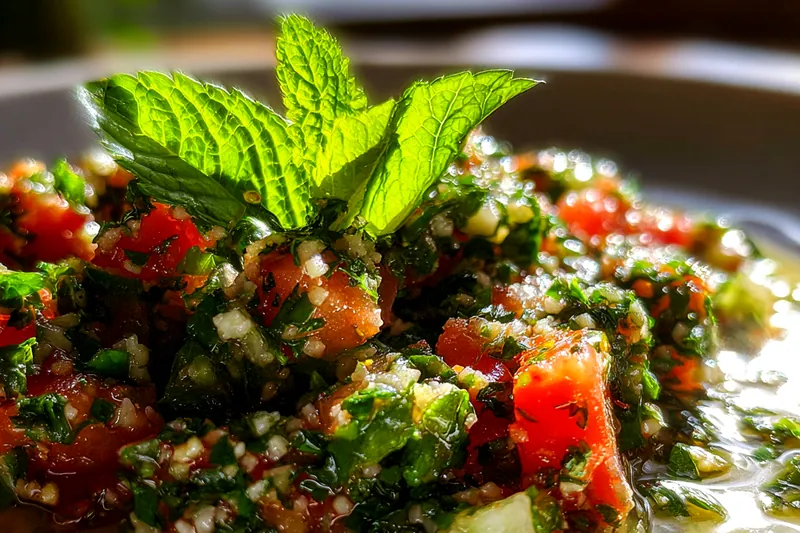
The cooking process for Tabbouleh is straightforward and revolves around preparing fresh ingredients. Start by soaking the bulgur in cold water until tender, which should take about 30 minutes. While the bulgur is soaking, chop the parsley, mint, and vegetables to your desired size for an appealing presentation. This makes the preparation of Tabbouleh quick and enjoyable, allowing you to focus on the freshness of the ingredients.
Once the bulgur is ready, combine it with the chopped herbs and vegetables in a large bowl. Drizzle with olive oil and lemon juice, then toss gently to mix all ingredients. Allowing the salad to rest for a little while helps the flavors meld together, enhancing the overall taste. Serve chilled or at room temperature, making it a great dish to prepare ahead of time.
Key Technique
The key technique in making Tabbouleh is ensuring the right chopping of herbs and vegetables. Finely chopping the parsley and mint releases their essential oils and maximizes flavor. Additionally, soaking the bulgur properly creates the right texture and allows it to absorb the dressing's flavors. This attention to detail ensures that every bite is flavorful and satisfying.
Tabbouleh
📋 Ingredients
Main Ingredients
- 1/4 cup olive oiladds richness to the salad
- 1/4 cup fresh lemon juiceprovides acidity and brightness
- Salt and pepper to tasteessential for enhancing flavor
- 1 teaspoon ground cuminadds warmth and depth
Sauce/Seasoning
- 1 cup bulgur wheat, soaked and drainedthe base of the salad
- 2 cups fresh parsley, finely choppedprovides freshness and flavor
- 1/2 cup fresh mint leaves, finely choppedadds aromatic freshness
- 1/2 cup ripe tomatoes, dicedadds juiciness and sweetness
- 1/4 cup green onions, slicedfor a mild onion flavor
- 1/2 cucumber, dicedprovides crunch and freshness
Instructions
Prepare Bulgur Wheat
Begin by soaking the bulgur wheat in cold water for about 30 minutes. Once it’s tender, drain any excess water and set aside.
Chop Fresh Herbs
Finely chop the parsley and mint leaves. The freshness of these herbs is key to a vibrant Tabbouleh.
Dice Vegetables
Dice the tomatoes and cucumber, and slice the green onions. Ensure everything is chopped uniformly for a pleasant texture.
Mix Ingredients
In a large bowl, combine the soaked bulgur, chopped herbs, diced vegetables, and green onions. Toss gently to mix.
Dress the Salad
Drizzle the mixture with fresh lemon juice and olive oil. Season with salt, pepper, and ground cumin for added flavor.
Toss and Rest
Carefully toss the salad until all ingredients are well-coated. Let it rest for 15 minutes to allow flavors to meld.
Serve
Serve chilled or at room temperature. Tabbouleh pairs well with grilled meats or as a light standalone dish.
Recipe Notes & Tips
Storage Tips
To ensure the best quality of Tabbouleh, store it in an airtight container in the refrigerator. It is advisable to consume it within 3-4 days for optimal freshness. If the herbs start to wilt or the vegetables become mushy, it's a sign that the salad is losing its quality. Always check for any off odors before eating leftovers.
Serving Ideas
Tabbouleh makes a delightful side dish for grilled meats, kebabs, or falafel. It can also be served as part of a mezze platter alongside hummus, baba ghanoush, and pita bread. For a more substantial meal, serve it with roasted vegetables or as a filling in wraps. Its refreshing nature makes it an ideal addition to summer picnics or parties.
Variations
You can modify Tabbouleh by adding ingredients like diced bell peppers, radishes, or even avocados for creaminess. For a protein boost, consider mixing in chickpeas or feta cheese. If you prefer a spicier kick, add jalapeños or a dash of hot sauce. Each variation offers a unique twist while keeping the essence of this classic salad.